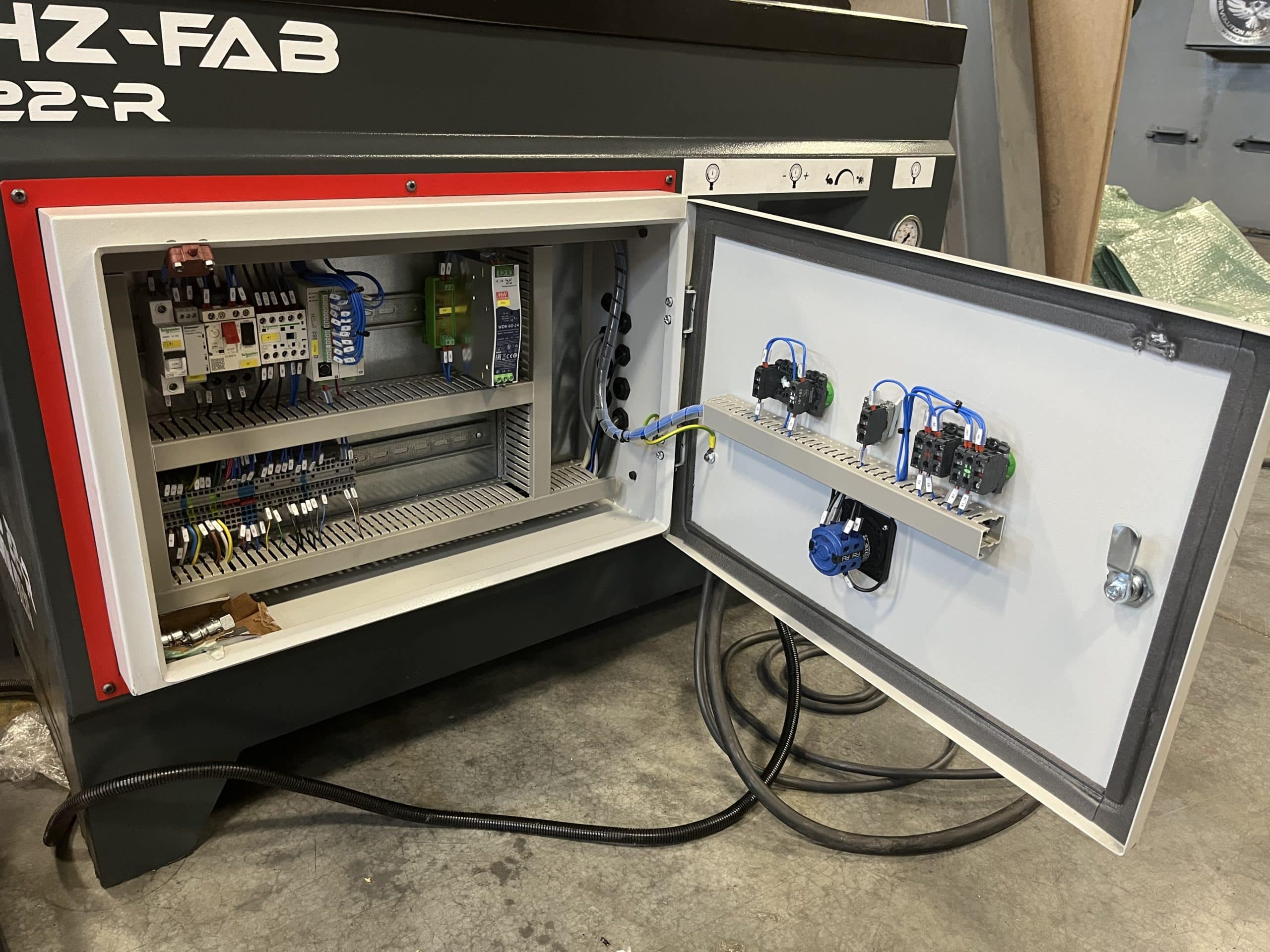
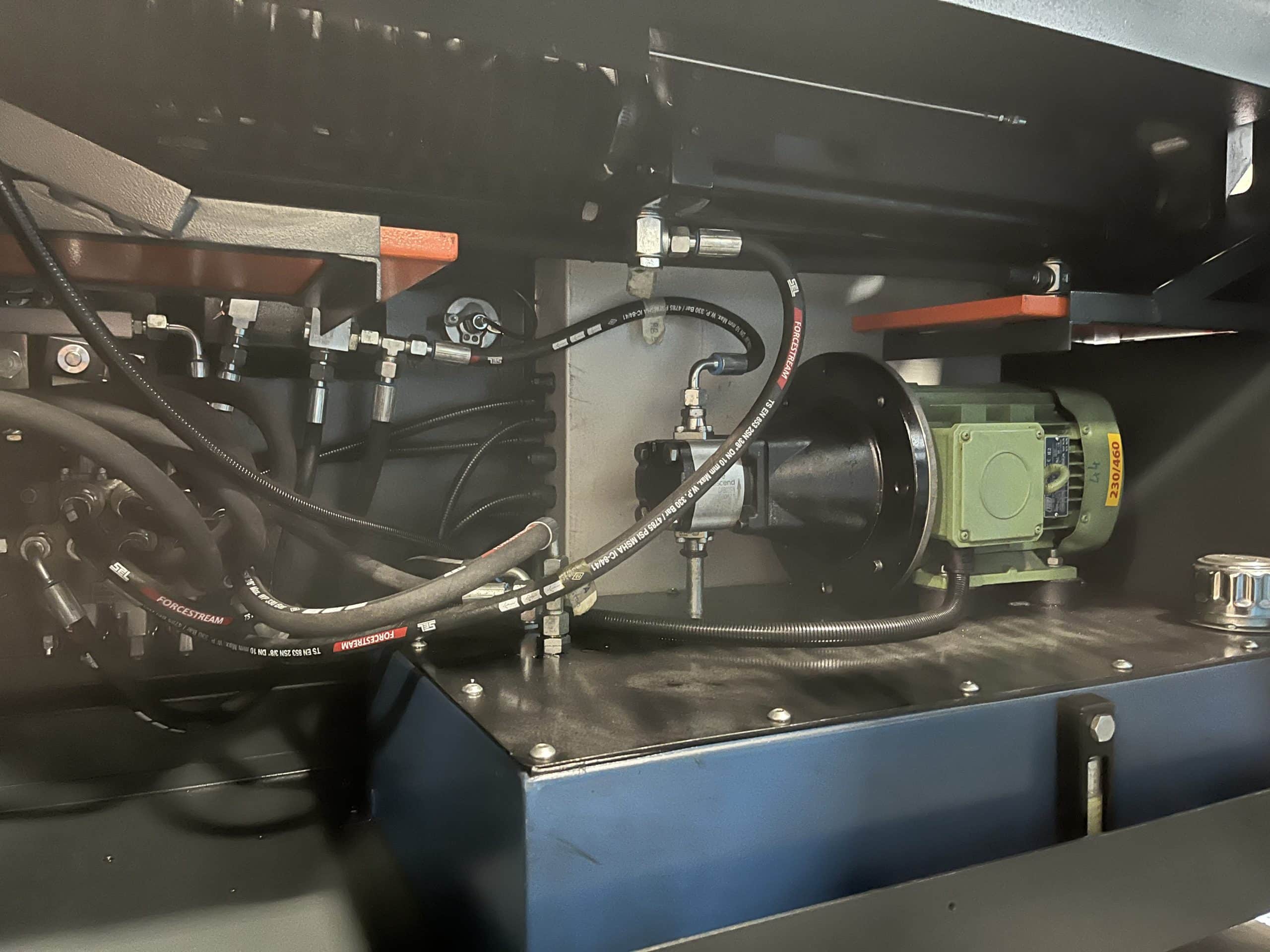
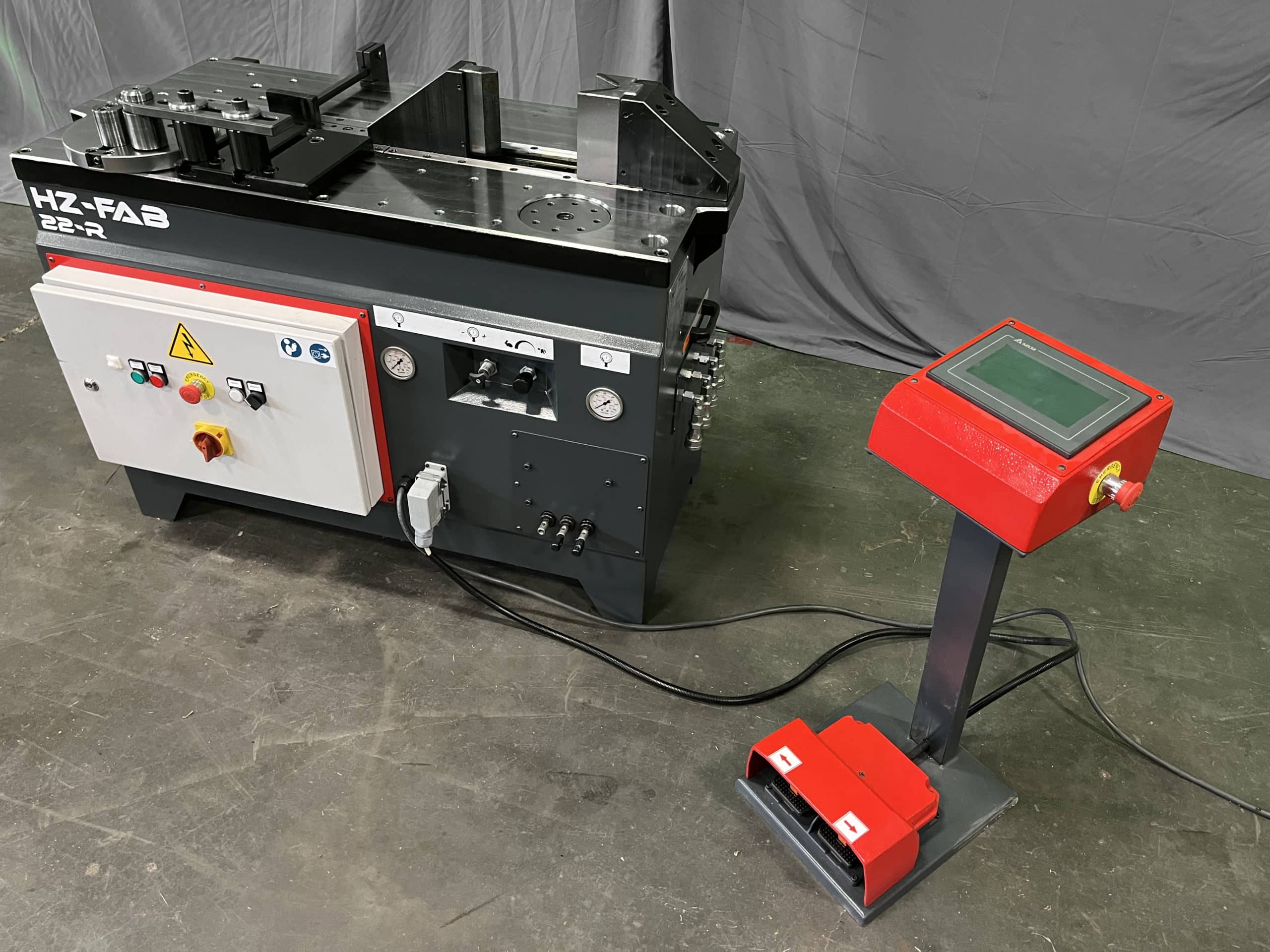
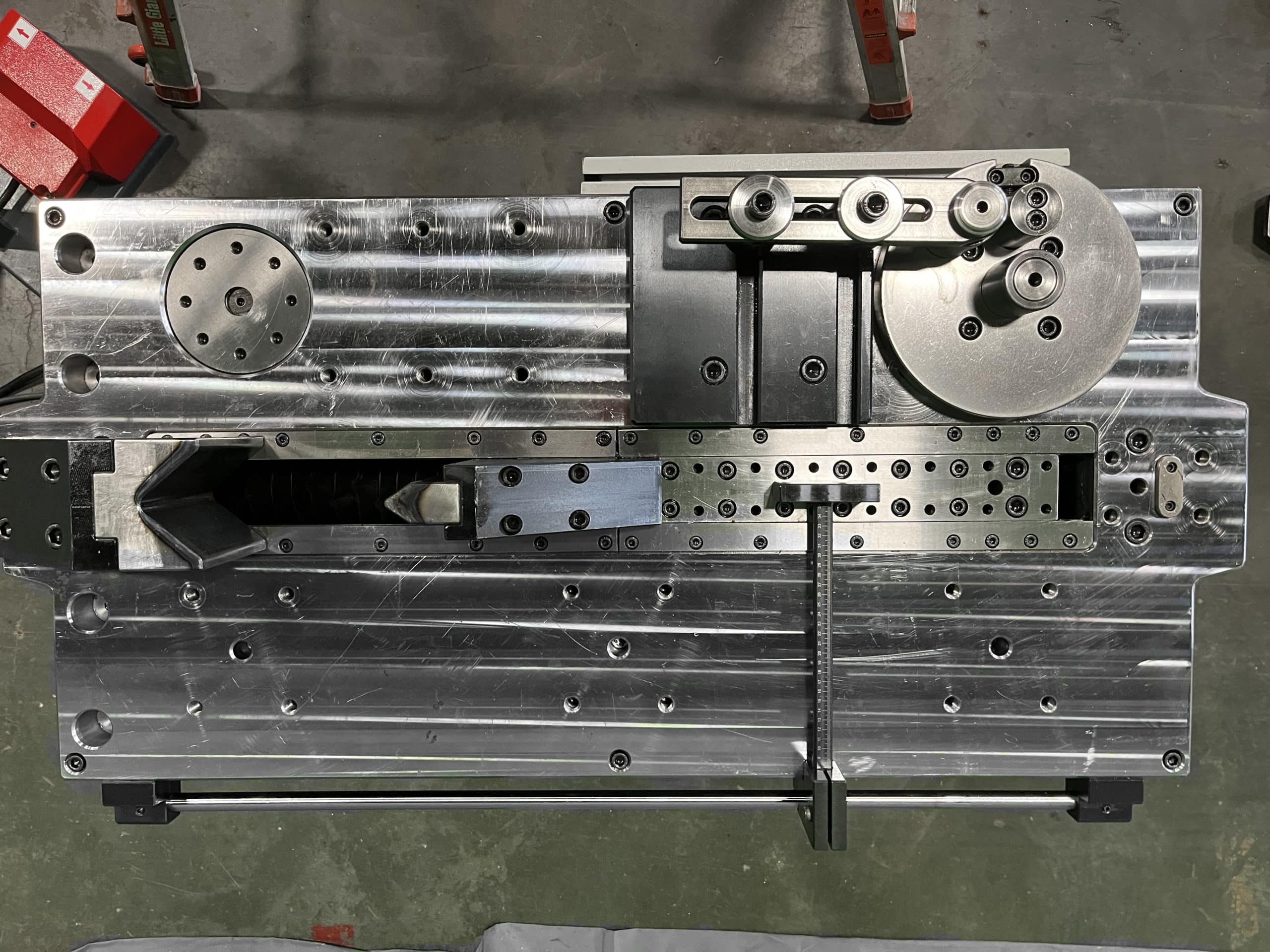
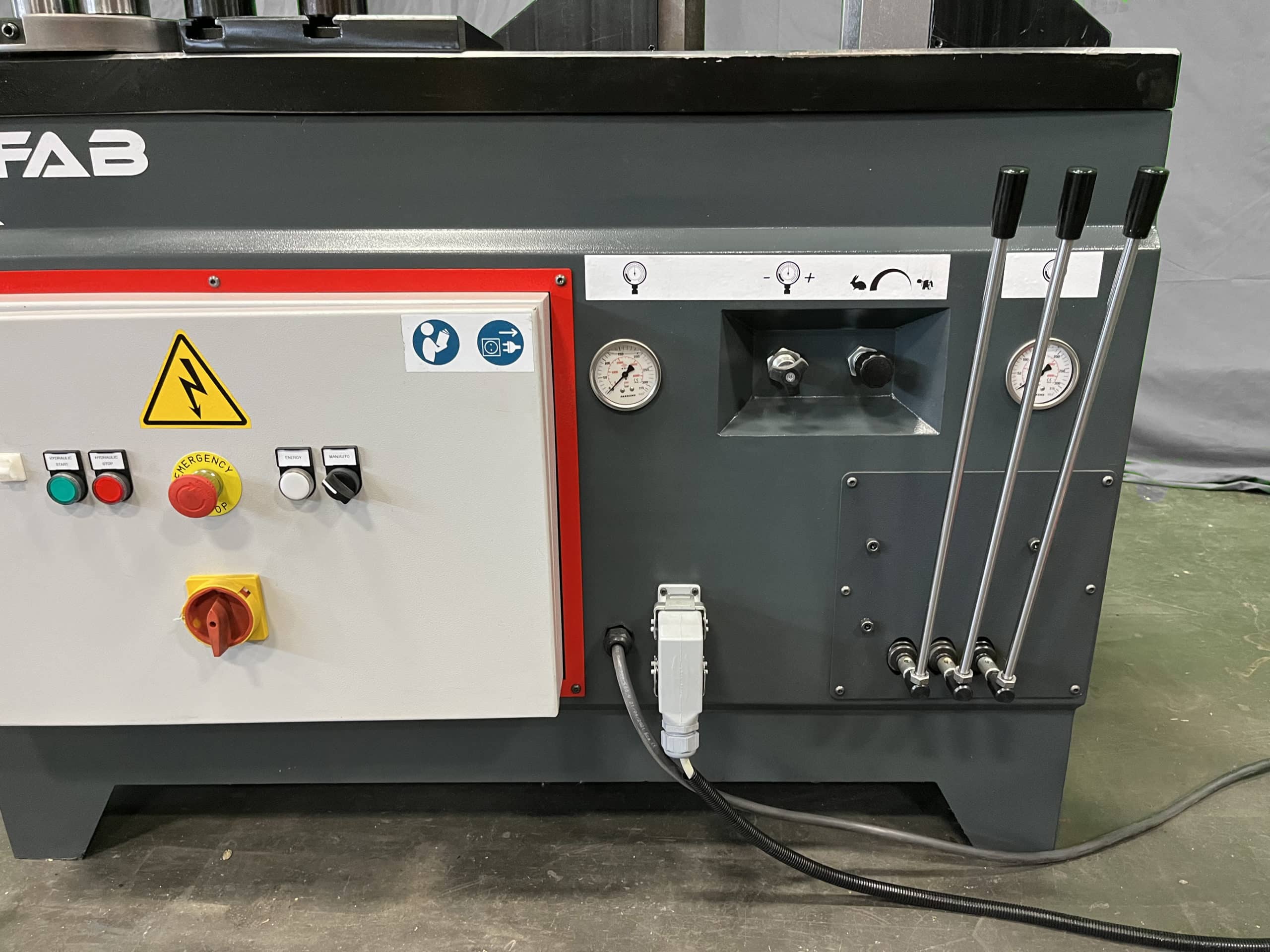
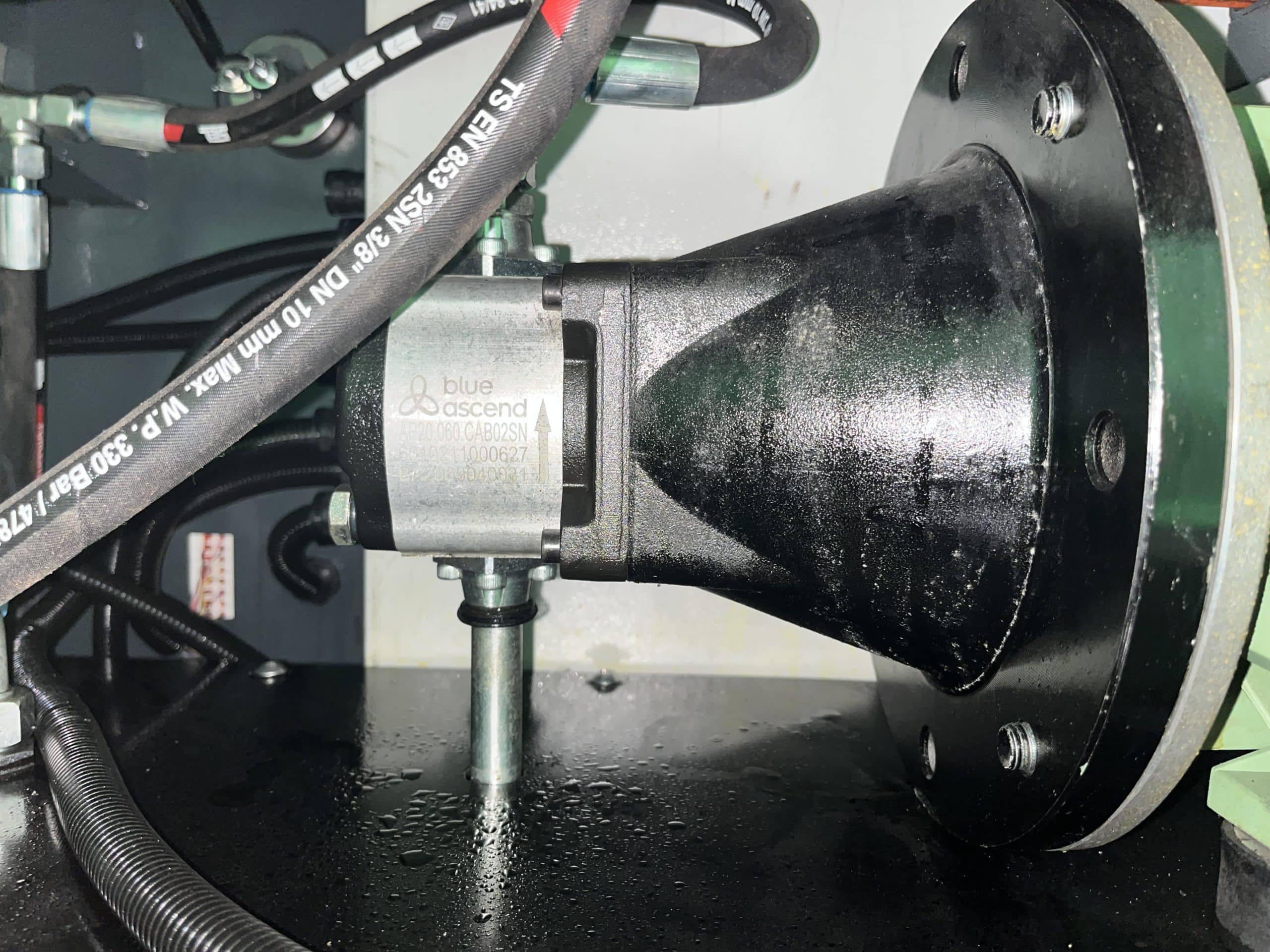
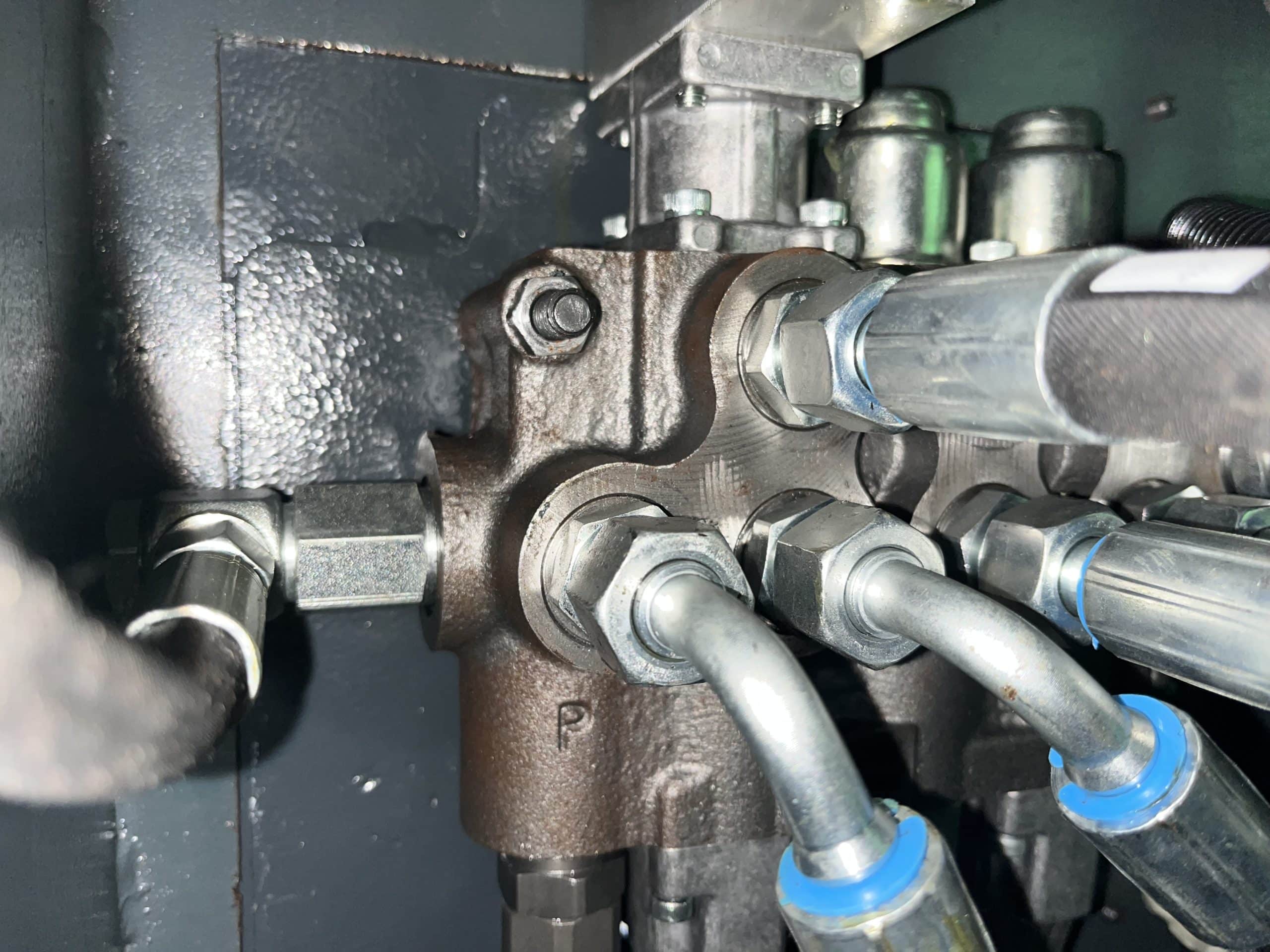
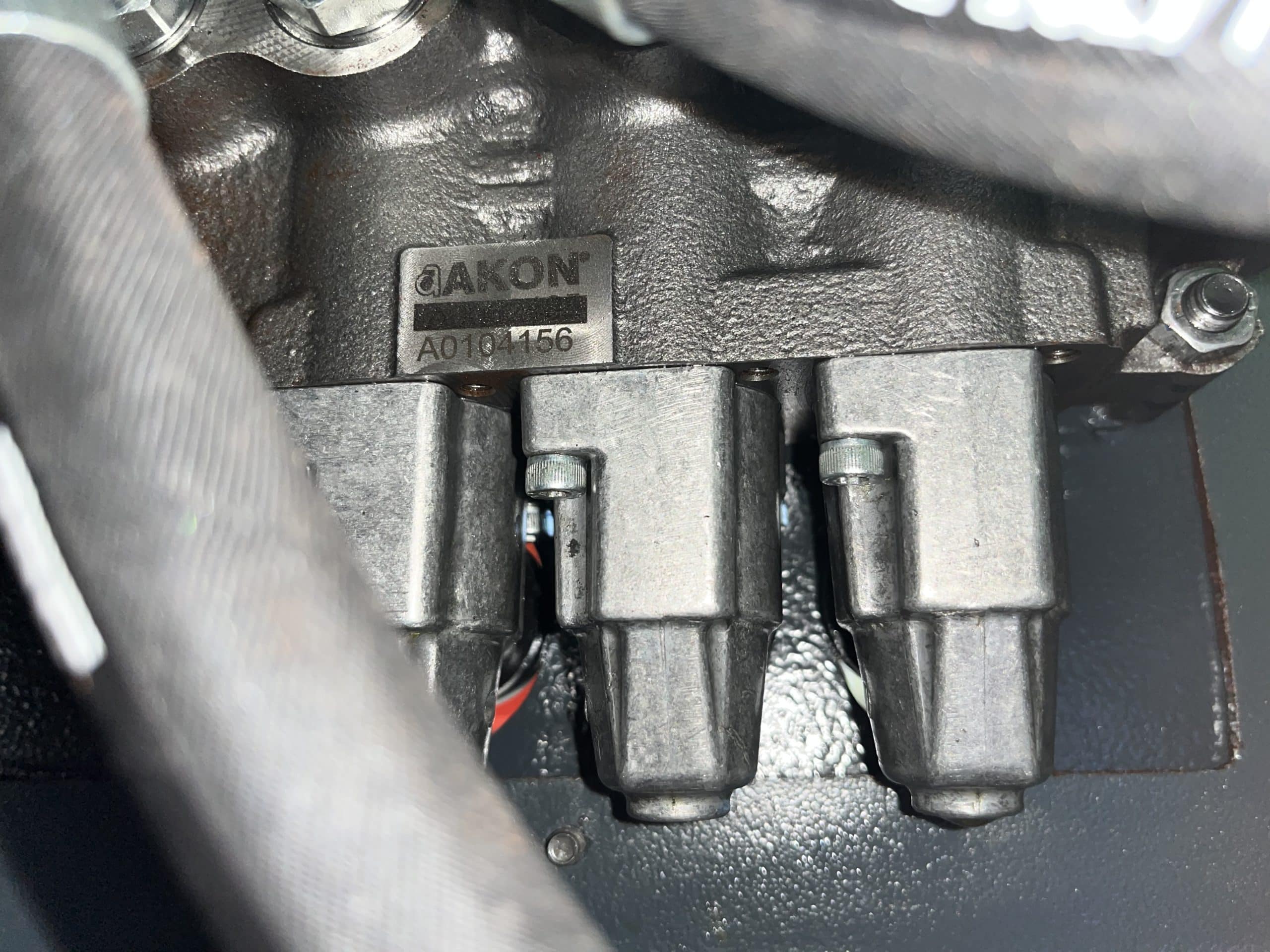
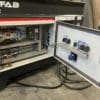
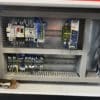
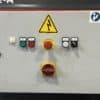
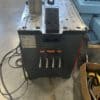
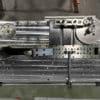
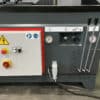
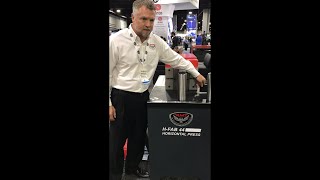
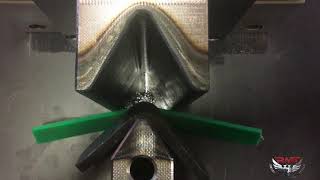
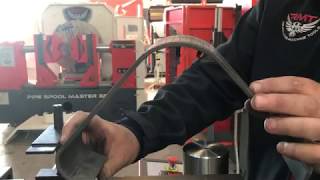
The Revolution Machine Tools™ HZ-FAB-R™ Series models move the hydraulic cylinder below the main worktable, giving much more room to work as well as allowing action to the left or right of the table. They also add dual rotation tables for bending round shapes, and pipe bending. The HZ-FAB-R™ Series also feature dual hydraulic power take offs (PTO), allowing the user to power other hydraulic equipment in their shop using the HZ-FAB’s hydraulic power output.
The HZ-FAB-R™ is a versatile tool for precision bending, folding, straightening, punching and shearing, allowing production of a wide variety of parts in one compact package.
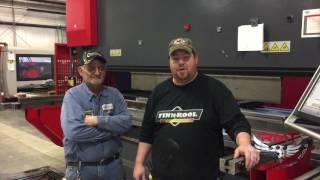
Testimonial for the B-GENIUS Revolution Machine Tools Press Brake Finn Kool - Kansas
We take pride in every machine we sell. It makes us extremely happy when our customers do also 🙂
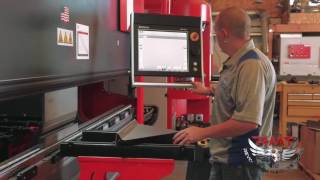
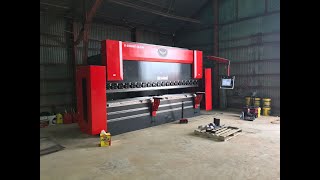
These Press Brakes feature a servo driven back-gauge system for faster speeds and better accuracy. The automatic CNC crowning system improves part quality. A 3D-capable Graphical Control Unit simulates bending sequences and detects collision points before you begin the bend. B-GENIUS Press Brakes have exceptionally large strokes, huge daylight, and throat depths to accommodate deep bending and long tooling.
Another satisfied customer! We just delivered an RMT B-Genius 12-150 to Cypress Metals (Utah) who has been using press brakes for nearly two decades. They exclaimed at the ease of use, the precision, the versatility and the speed of the machine.
The main operator told us that this machine is, “hands down, the best machine I have ever used!” We are proud of our machines and how we are helping our customers grow their businesses!
These Press Brakes feature a servo driven back-gauge system for faster speeds and better accuracy. The automatic CNC crowning system improves part quality. A 3D-capable Graphical Control Unit simulates bending sequences and detects collision points before you begin the bend. B-GENIUS Press Brakes have exceptionally large strokes, huge daylight, and throat depths to accommodate deep bending and long tooling.
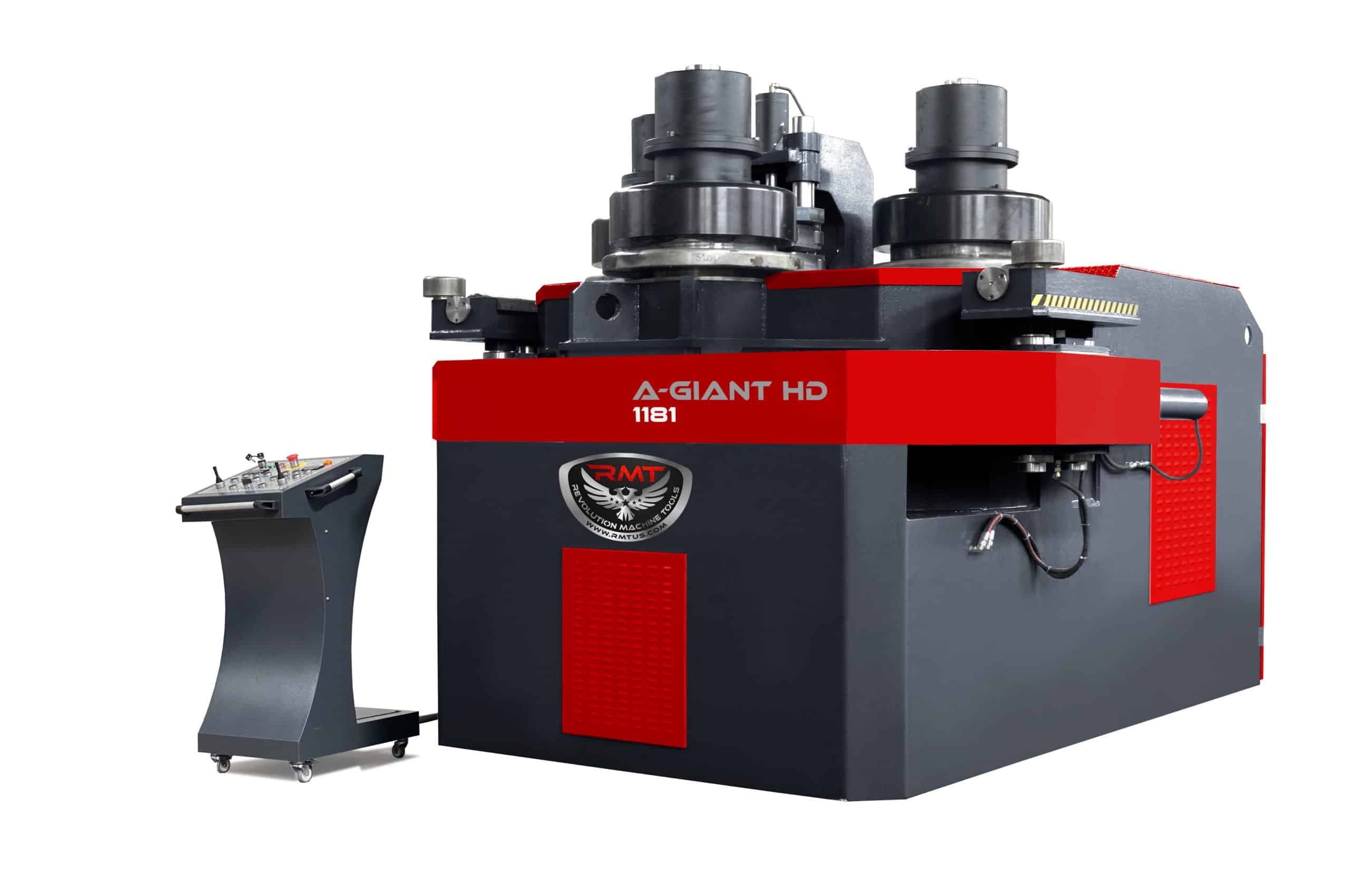
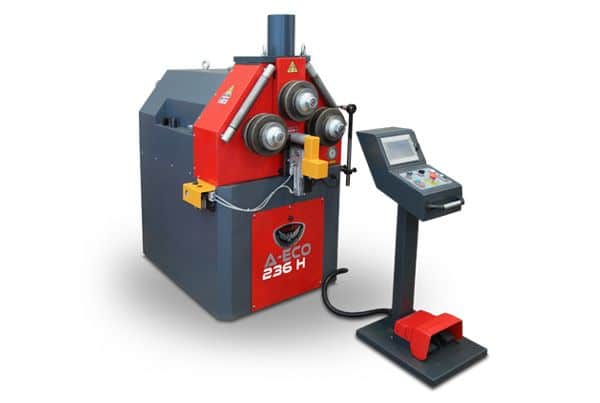
These small initial pinch rolls are designed for small part bending with low operation cost. R-ECO rolls feature robust cast iron frames, chain and gear driven drive systems and electric motors with a magnetic break which eliminates drifting. They also offer foot pedals with forward, reverse, and E-stop along with a safety wire and limit switch. A very economical, reliable, and efficient choice for your small parts needs.
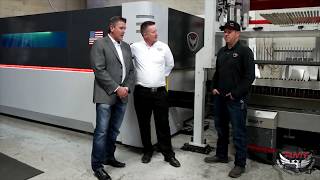
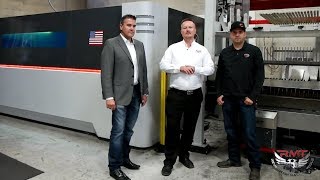
Fiber Nation a valued customer of ours gives us a testimonial on a Fiber Laser they bought from RMT years ago.
Presented by Kyle Jorgenson & Fiber Nation Executives (Anthony Evans & Dave Arbon)
Equipped with State-of-the-art technology, Fiber Lasers have become the leader in most CNC cutting applications. RMT Fiber Lasers feature unmatched cutting and travel speeds, all the while holding tolerances up to a thousandth of an inch.
For more information check out the RMT Fiber Lasers at https://rmtus.com/rmt-fiber-lasers.php
These small initial pinch rolls are designed for small part bending with low operation cost. R-ECO rolls feature robust cast iron frames, chain and gear driven drive systems and electric motors with a magnetic break which eliminates drifting. They also offer foot pedals with forward, reverse, and E-stop along with a safety wire and limit switch. A very economical, reliable, and efficient choice for your small parts needs.Learn more at https://rmtus.com/plate-rolls/
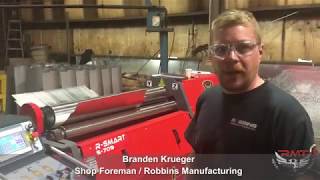
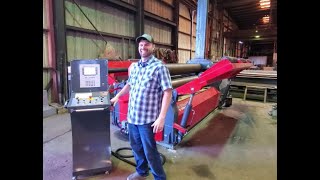
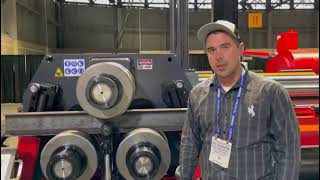
RMT R-SMART 10-866 Hydraulic 4 Rolls Plate Roll Machine - Testimonial by Absolute Metals
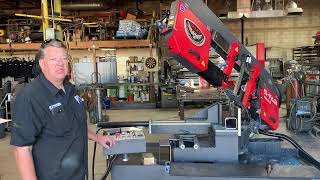
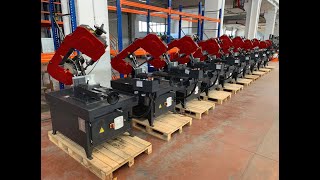
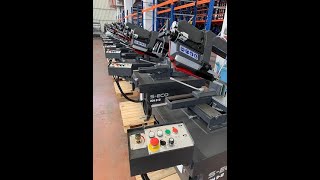
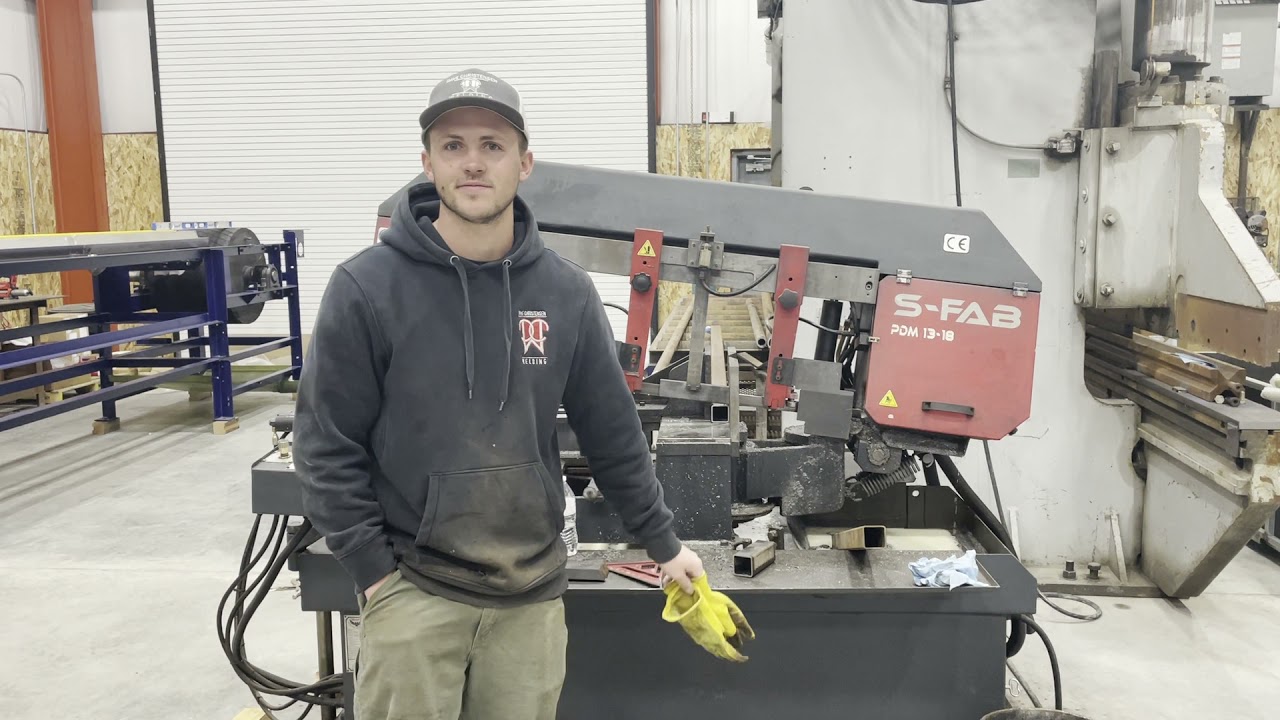
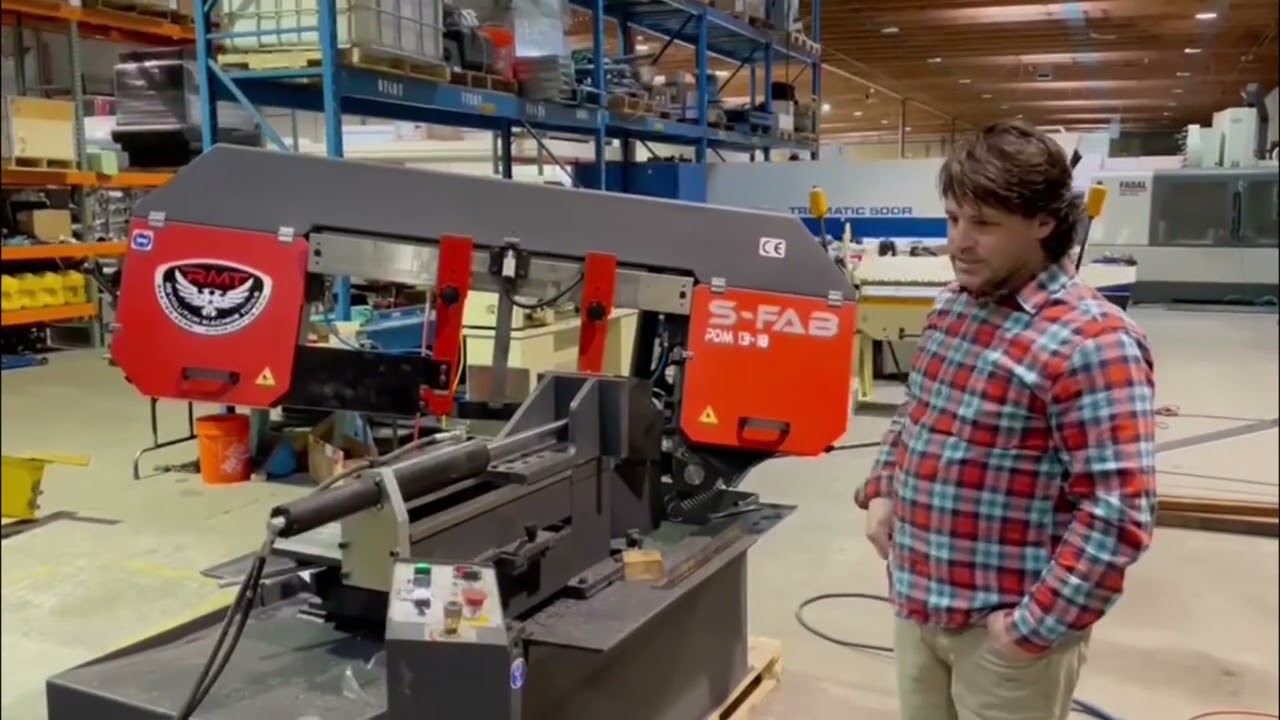
Scholzen a valued customer of RMT, gives a brief testimonial on the S-Fab Bandsaw they purchased to make their lives easier.Scholzen Products Co. HURRICANE, UT
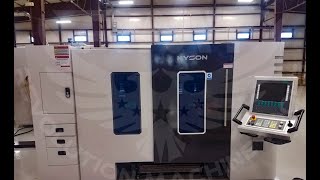
People love these KYSON Fiber Laser machines! Don't believe us? Just take a moment and watch this testimonial 🙂 Presented By: Jared (KYSON Operator)
The RMT KYSON Series Fiber Laser is our latest design with a plethora of technological enhancements. The KYSON Fiber Laser’s speed, precision, reliability, and low operating cost is legendary and second to none.
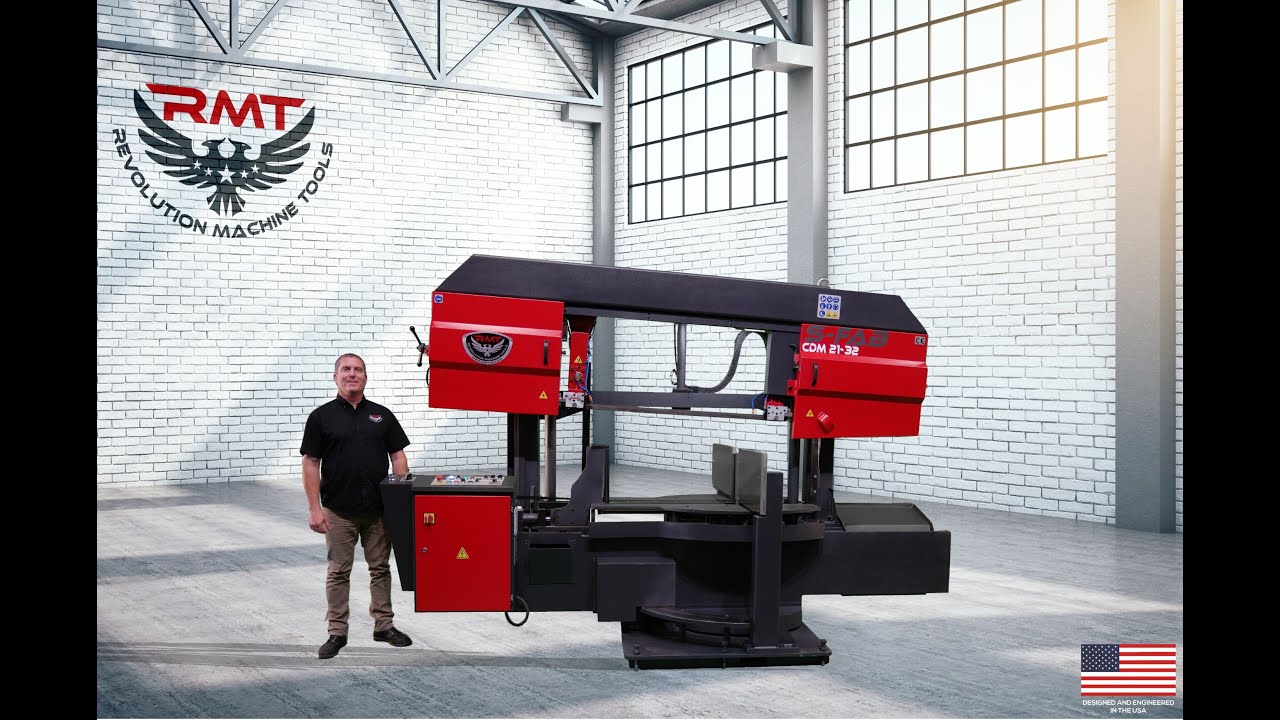
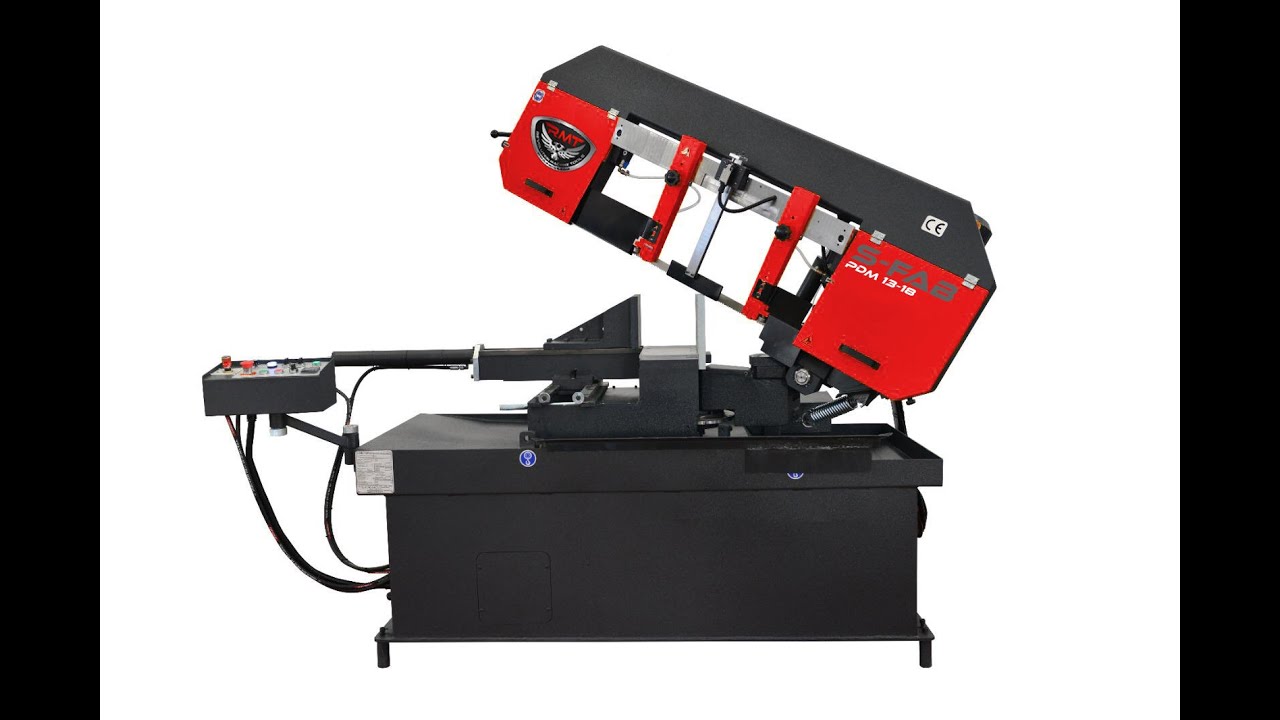
Pro Fab and Welding of Pleasant Grove, UT became the latest recipient of one of our new metal cutting band saw models. Fully automatic and loaded with features this saw makes short work of large bundles, even allowing up to a 60-degree miter. Joe, the operator for Pro Fab and Welding has been working with saws for 25 years and told us that, "This saw kicks butt" and "runs better than any saw I've ever had." He also made several comments about really wishing he had a couple of them, to which we just smiled.
RMT S-Smart Bandsaw - Pro Fab & Welding Testimonial
SME Steel in South Jordan, Utah is a proud owner of an RMT Press Brake and Shear. RMT was able to train the SME workforce to operate the machinery, thus saving money and expanding the skills set of its workers. www.RMTUS.com
TeraFlex talks about their RMT B-Genius 10-150 Press Brake. This brake is designed and commissioned by Revolution Machine Tools and its dedicated Research and Development Team.www.RMTUS.com
"Support on it has been unreal" This is exactly what RMT like to hear! It's our goal and part of our mission to provide unparalleled support to each and every customer.
Plus Fiber Laser technology blows everybody's socks off. So check out our KYSON lineup at www.rmtus.com/rmt-fiber-lasers.php
Hammerton a valued customer of ours gives us a testimonial on a KYSON 510 3 kW Fiber Laser they bought from RMT.
Presented by Greg Paulson - Production Manager
Equipped with State-of-the-art technology, Fiber Lasers have become the leader in most CNC cutting applications. RMT Fiber Lasers feature unmatched cutting and travel speeds, all the while holding tolerances up to a thousandth of an inch.
For more information check out the RMT Fiber Lasers at https://rmtus.com/rmt-fiber-lasers.php
Here we have yet another great customer giving us great reviews! It also helps we give great prices for our machines. We're just great! But you can be too! 🙂
What are the key advantages of RMT’s horizontal press design?
RMT’s horizontal press lineup — especially the HZ-FAB™ series — is engineered to deliver compact, versatile, and high-precision pressing performance that fits a wide variety of fabrication needs. The key advantages include:
– Compact yet durable design The horizontal orientation and robust all-steel frame give these presses a smaller footprint while maintaining structural stability for heavy-duty use in tight shop spaces.
– Fast, repeatable precision With advanced components, DRO-controlled stroke adjustment, and a rigid structure, RMT horizontal presses consistently operate with high repeatability and accuracy (within thousandths of an inch).
– Tooling flexibility and quick changes The design allows tooling swaps in seconds, and because the bottom die is supported independently, shapes can be bent completely around the die without collision risk — ideal for complex bends.
– Multi-function capability Beyond basic pressing and bending, RMT horizontal presses can perform a variety of metal fabrication tasks — including tube bending, punching, shearing, straightening, profile forming, and more — with the right tooling installed.
– Ease of use and accessibility Horizontal presses offer excellent visibility and accessibility during operation, making part setup and removal easier and safer compared with larger vertical machines.
– Scalable capacity options The HZ-FAB series ranges from ~11 to 110 tons of force, allowing shops to choose a model that fits their specific tonnage and part size needs.
What capacity and size options are available in RMT’s horizontal press lineup?
RMT’s horizontal presses are designed to give fabricators a range of capacities and work sizes so you can choose the model that fits your shop’s workload and part requirements.
The lineup currently includes two main series — the HZ-FAB Series and the HZ-FAB-R Series — each with distinct capacity and size options.
HZ-FAB Series — Standard Horizontal Presses:
This is the core horizontal press lineup, available in 7 models covering a broad range of tonnage and bending capacities.
Capacity Range: 11 to 110 tons of pressure
Flat Material Bending Capacity: approximately 0.31″ up to 11.81″ wide
Round Tube Bending Capacity: approximately 0.12″ up to 4.48″ diameter
HZ-FAB 110: highest capacity in this series for larger jobs within the horizontal press category
How do I choose the right model for my shop?
Choosing the right RMT horizontal press starts with understanding what you will be using it for and how it fits your shop’s needs. Here are the primary factors to consider:
1. Match the Press Capacity to Your Material & Jobs
The most important starting point is selecting a machine with the right tonnage for the materials and tasks you’ll be working on.
Heavier materials and thicker stock need higher tonnage to bend, punch, or form reliably.
Lighter materials or smaller jobs can be handled with lower‑capacity presses. As a general approach, choose a press with enough capacity to handle your maximum expected force needs plus some margin for comfort and longevity.
2. Consider Material Size & Shape
Think about the largest parts you’ll work with:
What’s the max width of flat stock?
Do you bend round tubes or specialized profiles?
Each horizontal press model has different bending capacities (e.g., flat material width and tube diameters). Pick a model whose capacity comfortably covers your largest common jobs.
3. Evaluate Your Shop’s Current and Future Workload
Do you expect production to grow or change over time?
Are you planning to take on new types of jobs?
Choosing a press with slightly higher capacity or flexibility gives you room to grow without needing another machine soon.
4. Think About Versatility & Tooling Needs
Horizontal presses can do more than simple bending — including punching, shearing, straightening, tube forming, etc.
If you plan to do multiple operations, ensure the machine you choose has tooling options that fit your intended applications.
Quick‑change and versatile tooling systems increase usefulness across jobs.
5. Space, Power & Workflow
Make sure your shop has the floor space, power supply, and workflow setup to accommodate the model you’re considering. Some presses are compact and mobile, while others may need more clearance and support.
In short: choose an RMT horizontal press that aligns with your material type, maximum part size, expected production volume, and future flexibility needs. If you’re unsure, starting with the largest material and toughest job you expect to do regularly and working backward from there is a reliable way to narrow it down.
Are RMT horizontal presses customizable or configurable with optional features?
Yes — RMT’s horizontal presses are designed to be configurable to fit a wide range of fabrication needs, and they can be equipped with optional features and tooling to boost versatility and productivity for your specific shop applications.
Optional Features & Upgrades
While all horizontal presses come with a solid base of standard features (like induction‑hardened tooling, NC controller, and manual working system), customers can choose from several configurable options including:
Automatic working system — Upgrade from the standard manual/NC control to an automatic mode for faster, more consistent processing.
CNC back‑gauge — Enables more precise positioning and repeatable part production, ideal for shops looking to automate sequences or improve accuracy.
Special tooling packages — Beyond the included press brake tooling set, a wide range of additional tooling types (cutting, punching, straightening, tube bending, etc.) can be added to expand the press’s capabilities.
Tailored Tooling Options
Because horizontal presses serve multiple functions (e.g., bending, punching, shearing, forming), RMT offers specialized tools that let you configure the machine for tasks beyond basic bending — all selectable during purchase or added later as your needs evolve.
In short: RMT horizontal presses support meaningful customization through optional control systems and a wide variety of tooling choices, letting you configure the machine to match your precise fabrication requirements.
What are the maintenance and service expectations?
Your maintenance routine should include daily visual checks and cleaning, weekly lubrication and inspection, and periodic preventive servicing to ensure the press runs efficiently and safely. Combined with RMT’s service support and parts availability, this approach keeps your press reliable from day 1 and for years to come.
What safety and operator-usability features are built in?
RMT horizontal presses combine ergonomic and control features — like foot‑pedal operation, digital controls, and a robust frame — that help operators work comfortably and consistently. For safe operation, these built‑in elements should be paired with standard press safety practices, proper guarding, and operator training.
What advantages do horizontal presses have over vertical presses?
Horizontal presses provide a more accessible, ergonomic, and versatile operation with better support for larger or longer parts and a layout that can be more easily integrated into modern fabrication workflows. For many shops, this translates to smoother material handling, better productivity, and more reliable results compared with typical vertical presses — especially when working with heavy, long, or complex workpieces.
How can I improve efficiency with my RMT Horizontal Press?
Getting the most out of your RMT horizontal press isn’t just about running it — it’s about optimizing setup, operation, and upkeep so you reduce downtime, increase output, and maintain consistent quality. Here’s how to improve efficiency in your shop:
1. Match the Press to the Job Start with the right tool for the task:
Use a press that has enough tonnage and workspace for the thickest material and largest parts you regularly run.
Running a press that’s too small can slow production and stress components, while oversizing can waste energy and floor space. Choosing the correct model sets a strong foundation for efficient operation.
2. Optimize Tooling & Setup
Use high‑quality, properly fitted tooling that matches your part and material. Worn or mismatched tooling increases cycle time and defects.
Take a few extra minutes to align dies precisely — even small misalignment can increase scrap and machine wear.
Invest in quick‑change tooling systems to reduce setup and changeover time between jobs.
3. Fine‑Tune Press Parameters
Adjust pressure, stroke length, and speed to just what your job requires — don’t use maximum force unless needed.
Optimizing stroke and speed reduces cycle time without sacrificing quality.
If your model has programmable control options, save common job settings so you don’t have to reconfigure between runs.
4. Keep Maintenance On Schedule
A well‑maintained press runs smoother, faster, and more reliably:
Check and top off hydraulic fluid levels often.
Replace filters regularly to prevent contamination and preserve hydraulic efficiency.
Inspect hoses, seals, and fittings for wear or leaks.
Clean and lubricate moving parts as recommended.
Regular maintenance keeps the press operating efficiently and helps prevent costly unplanned downtime.
5. Use Data & Monitoring
If your press or control system supports it:
Track cycle times, reject rates, and energy use to spot bottlenecks or inefficiencies.
Look for trends that suggest tooling wear or needed adjustments, and act early to avoid production slowdowns.
6. Train Operators & Standardize Procedures
Well‑trained operators work faster and make fewer mistakes:
Train your team on best practices for setup, operation, and safety.
Standardize steps for common jobs so everyone follows the same efficient workflow.
Encourage good habits like staging materials and tools before running the press.
In summary: Efficient press operation is a mix of the right machine choice, optimized tooling and settings, regular maintenance, data‑informed adjustments, and skilled operators. When these elements are aligned, your RMT horizontal press becomes a more productive, reliable part of your shop’s workflow.
Does RMT provide training or technical support?
Yes — RMT supports you before, during, and after purchase with operator training, technical help, remote troubleshooting, and onsite service so you can run your machines safely and efficiently with minimal downtime.
How easy is it to set up and operate an RMT Horizontal Press?
RMT horizontal presses are easy to install, intuitive to operate, and built with features that make everyday use comfortable and efficient — especially compared with heavier, more complex vertical machines. Whether you’re bending, punching, or forming, setup and operation are streamlined for practical shop use.