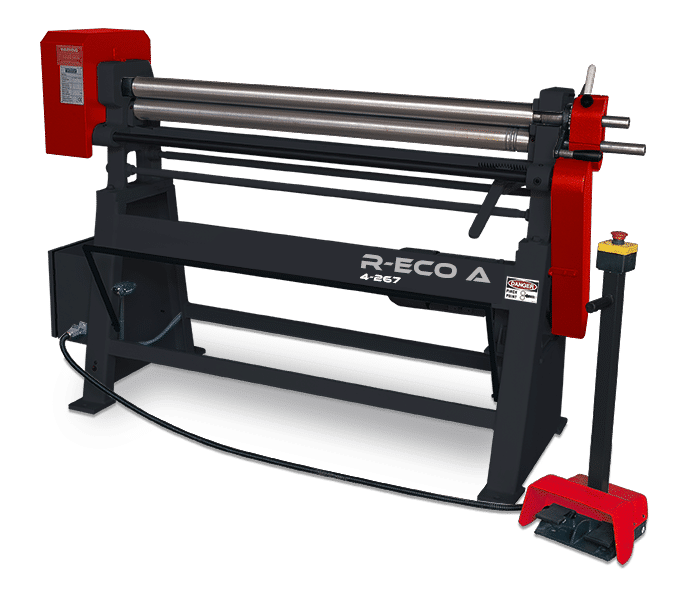
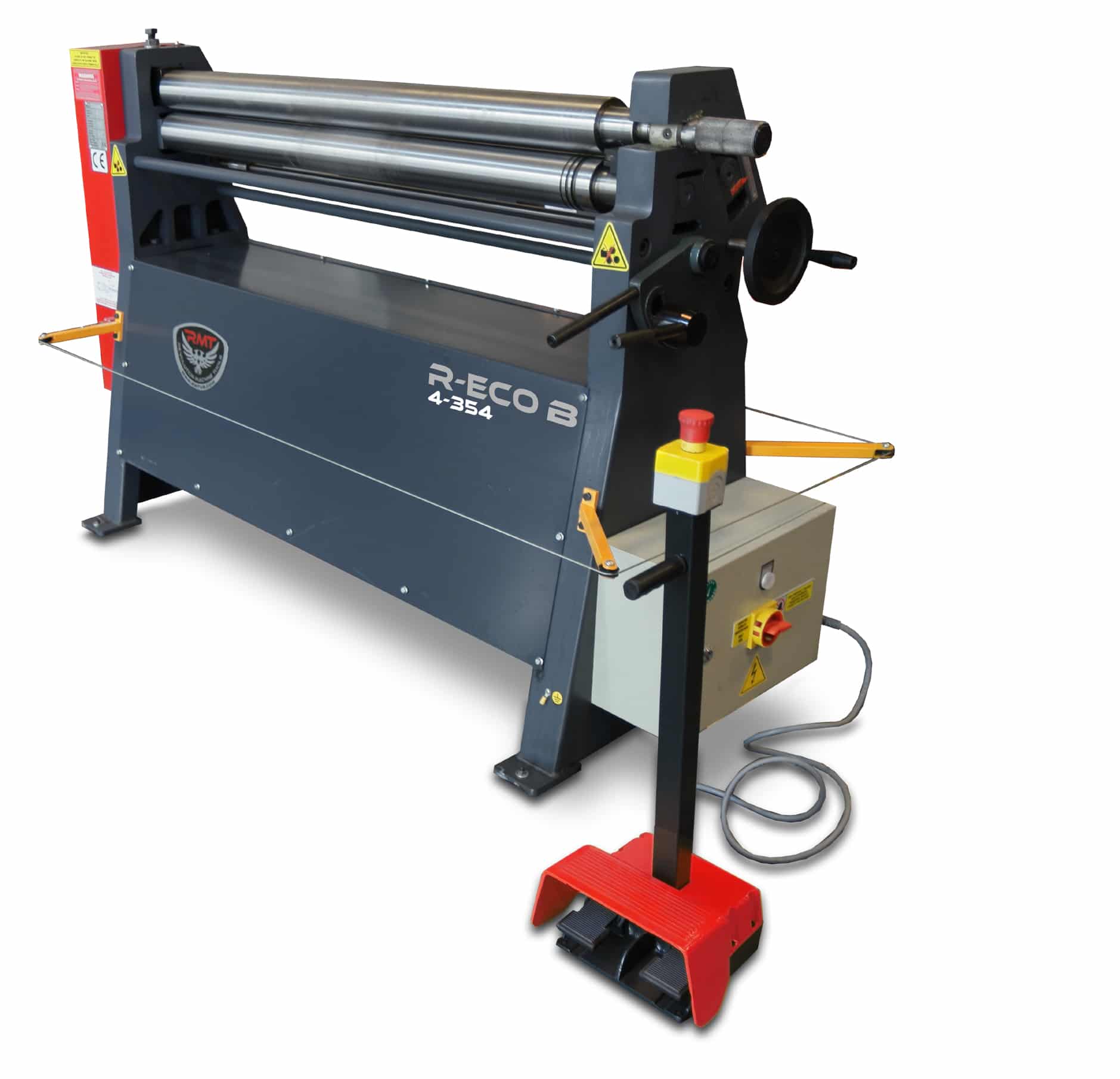
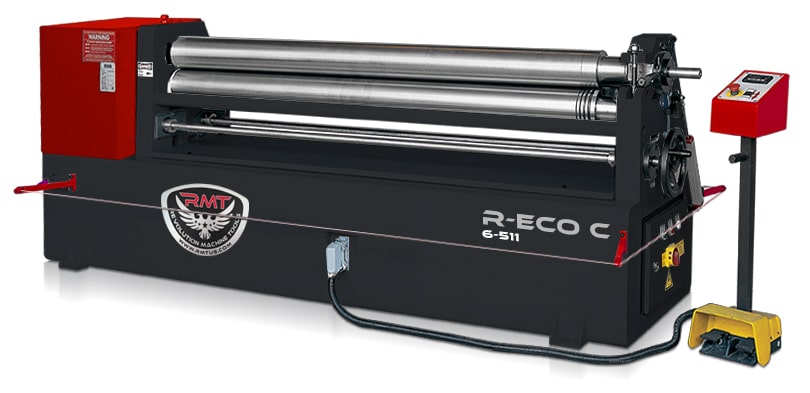
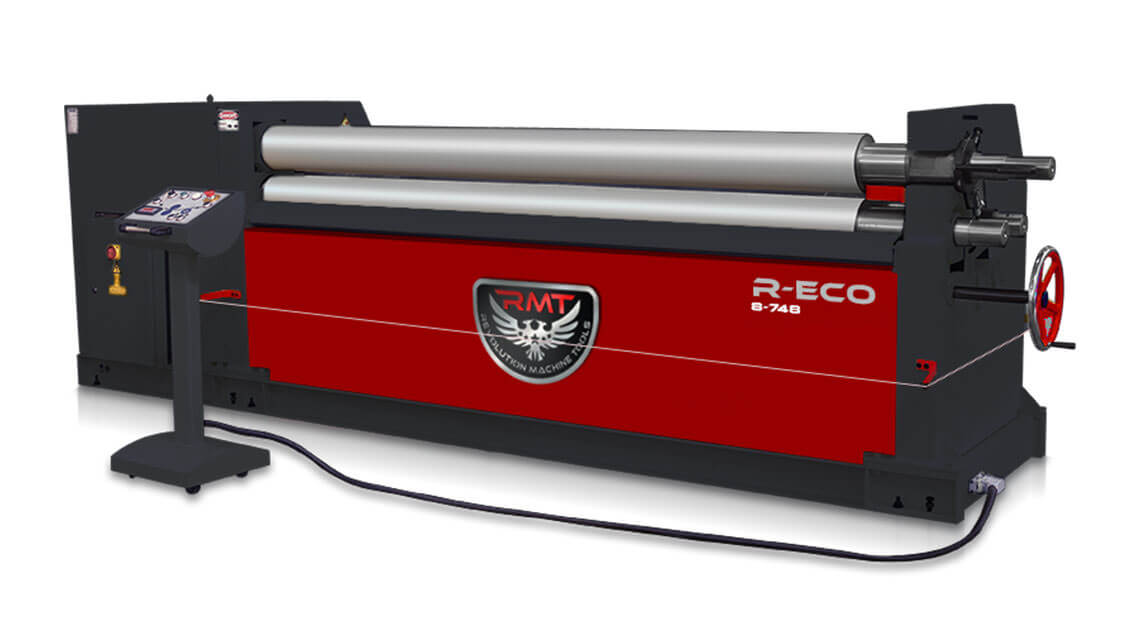
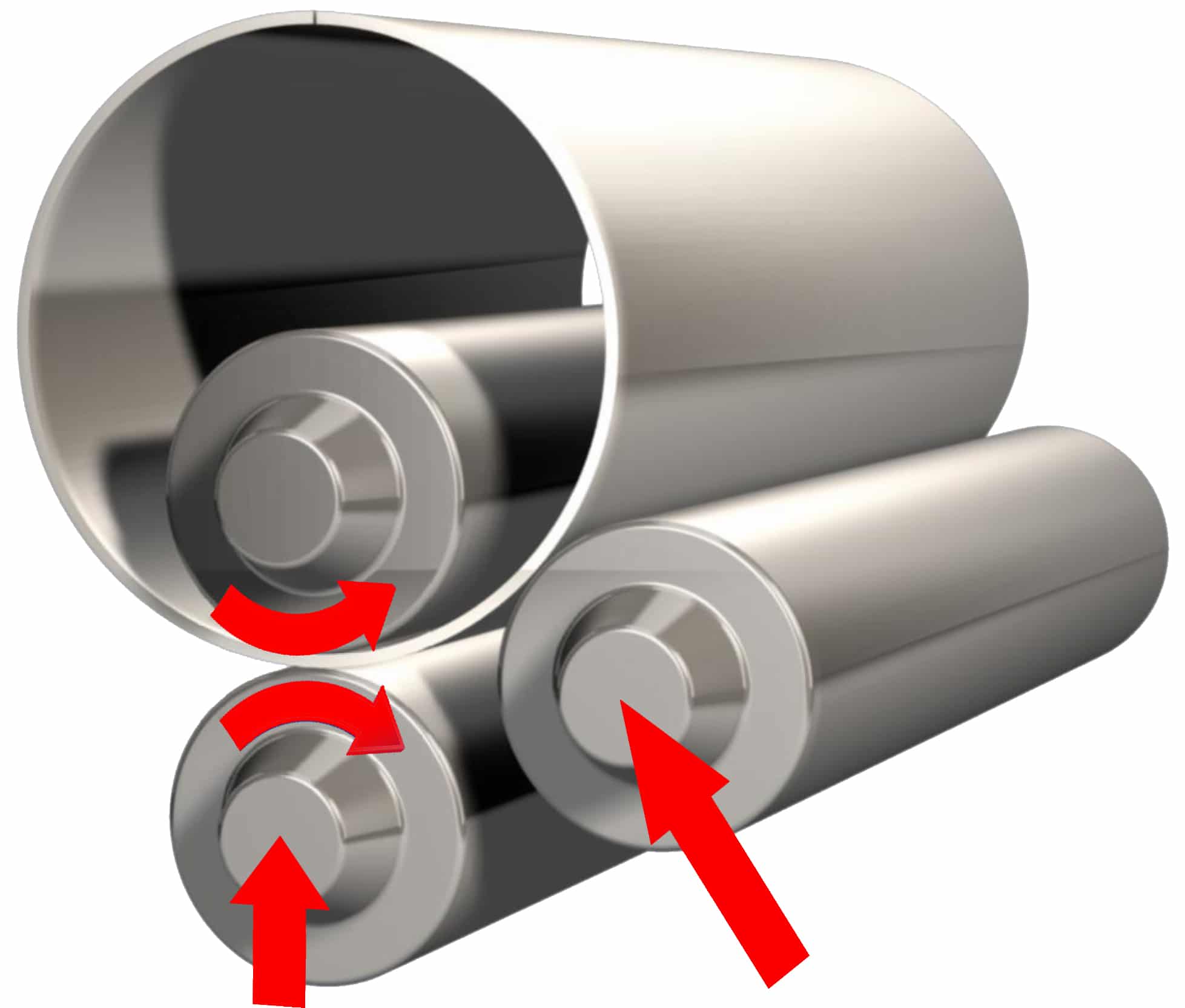
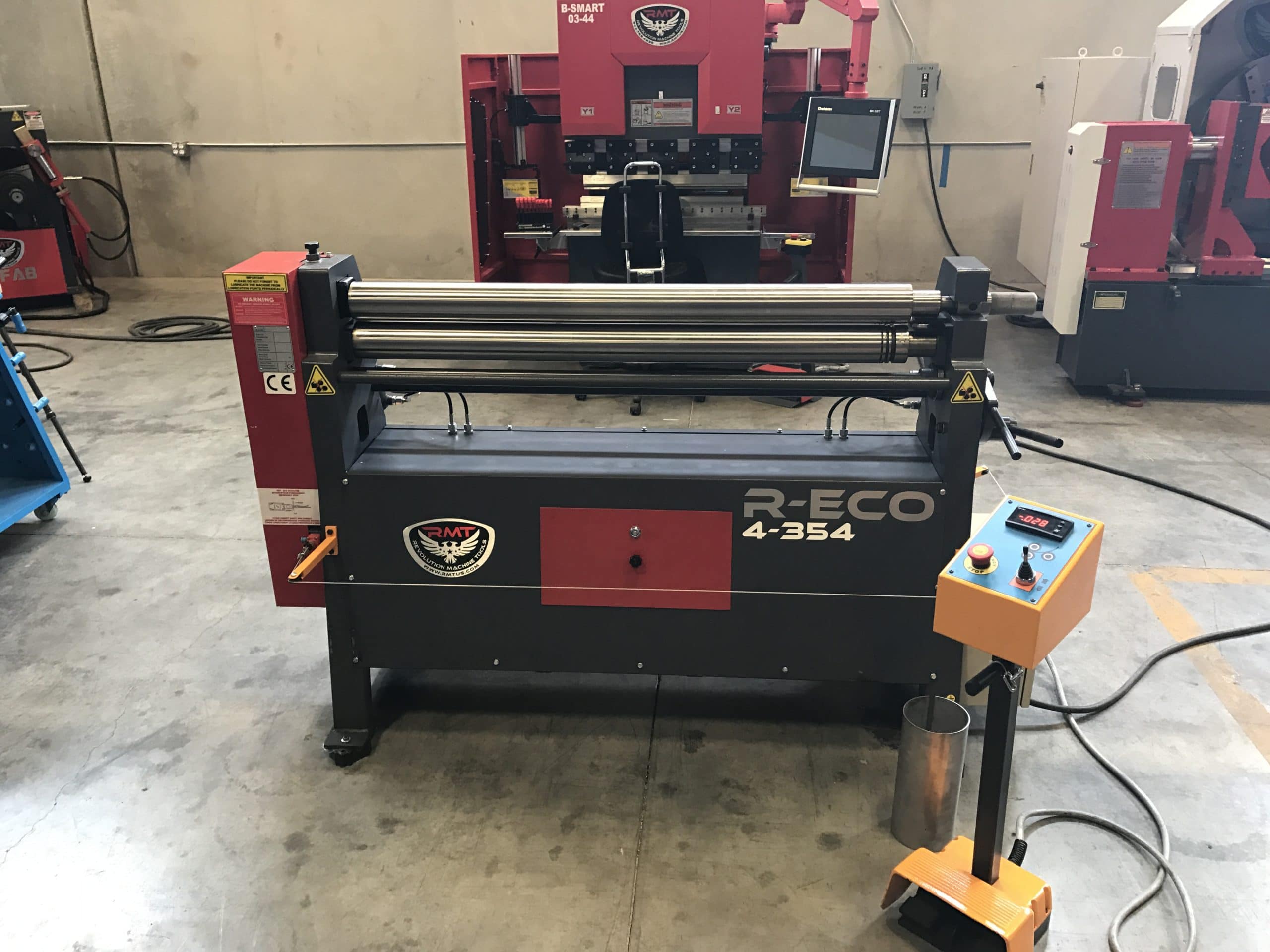
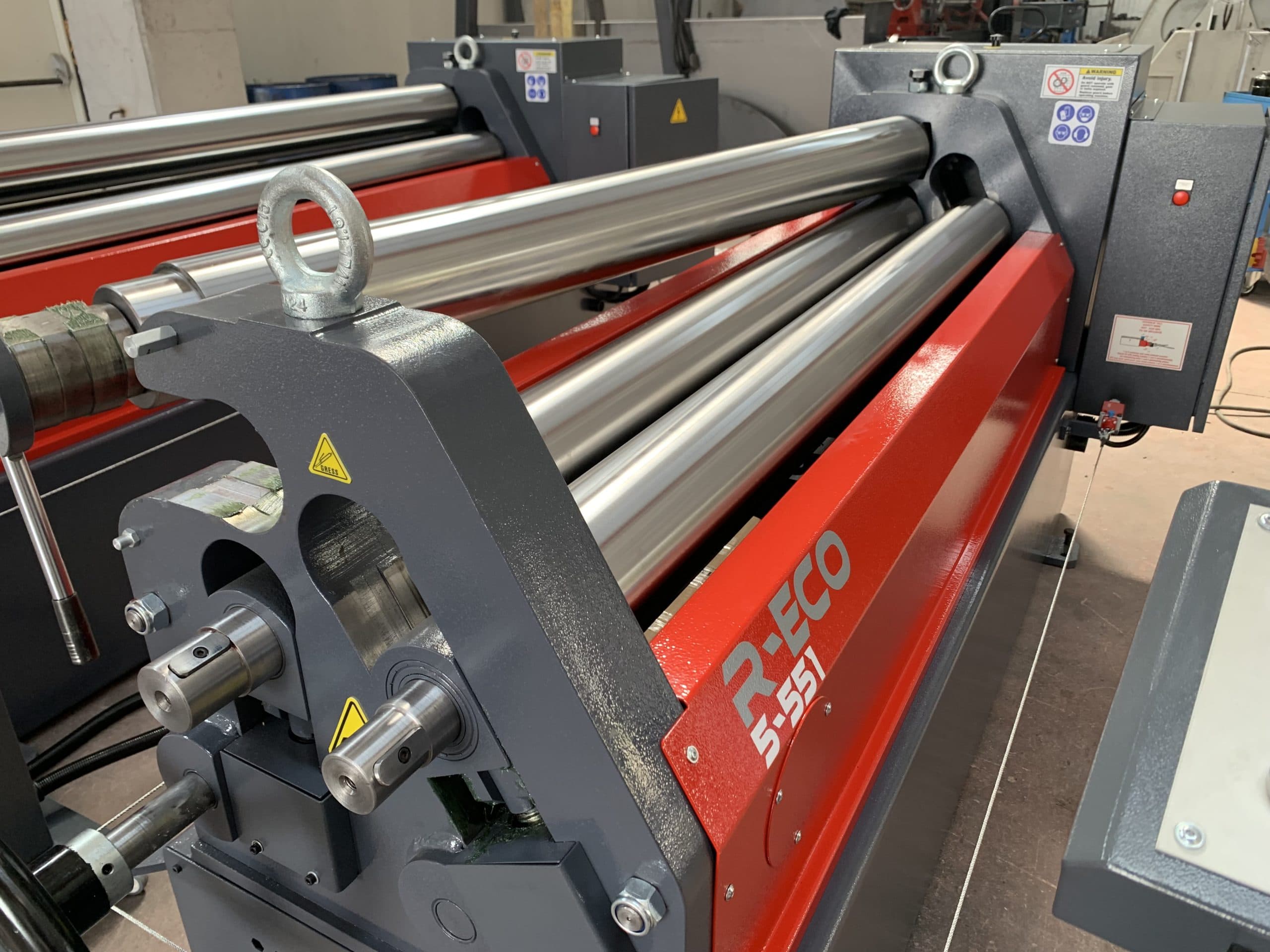
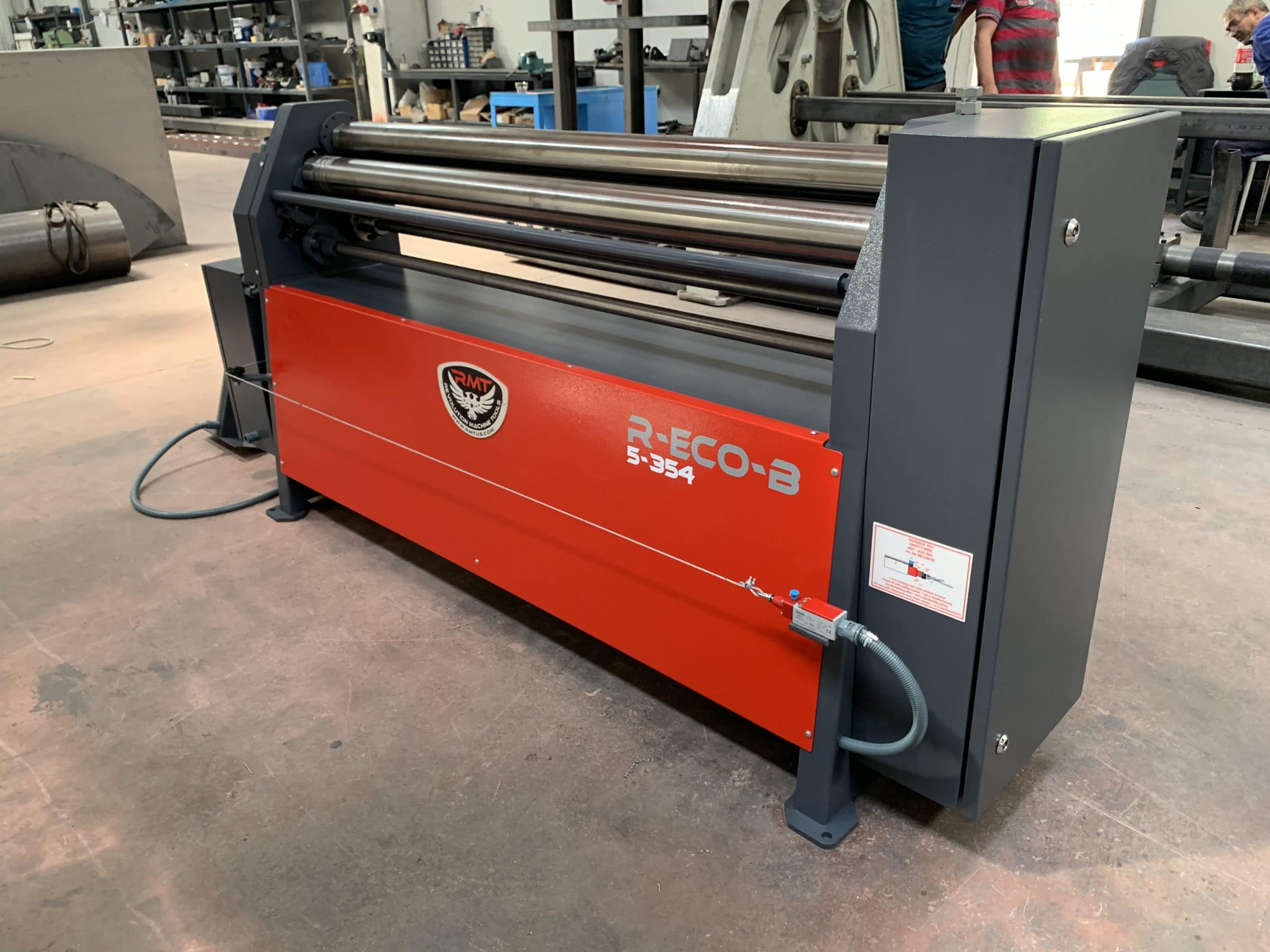
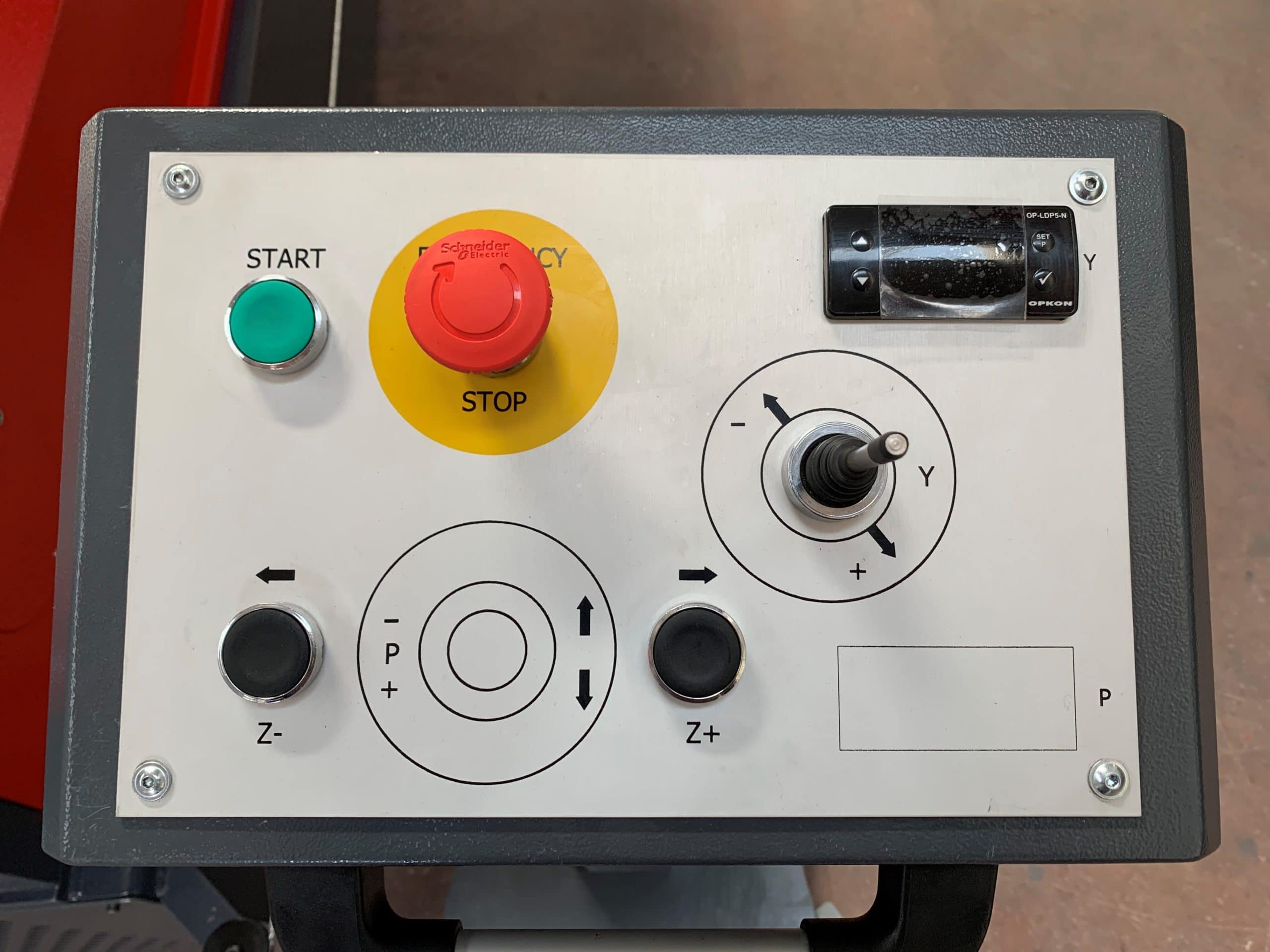
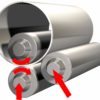
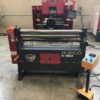
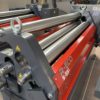
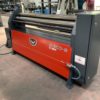
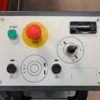
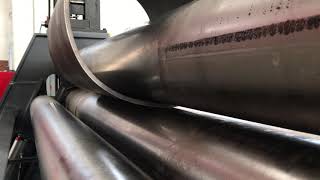
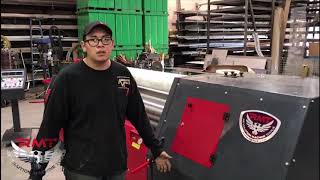
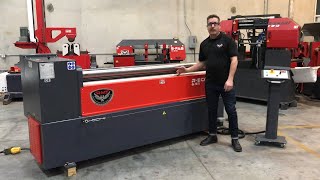
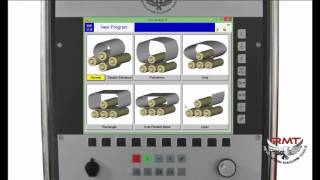
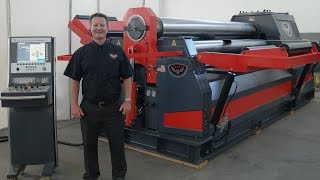
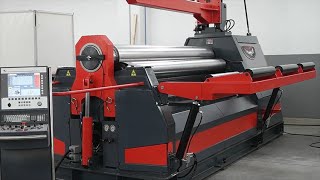
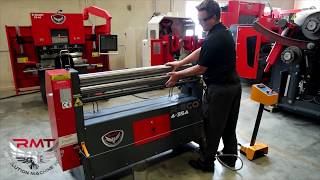
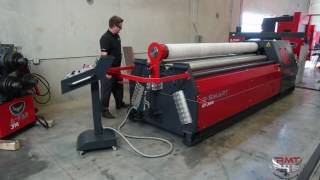
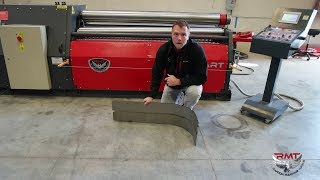
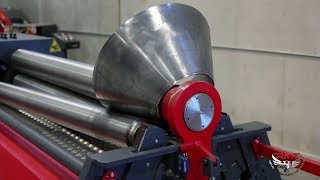
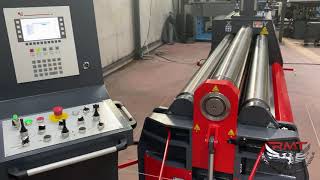
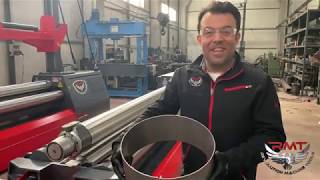
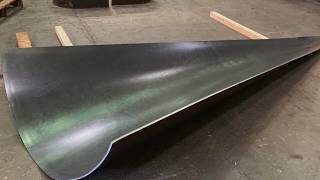
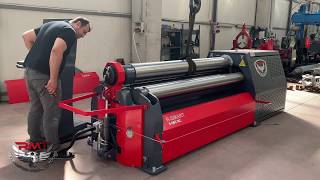
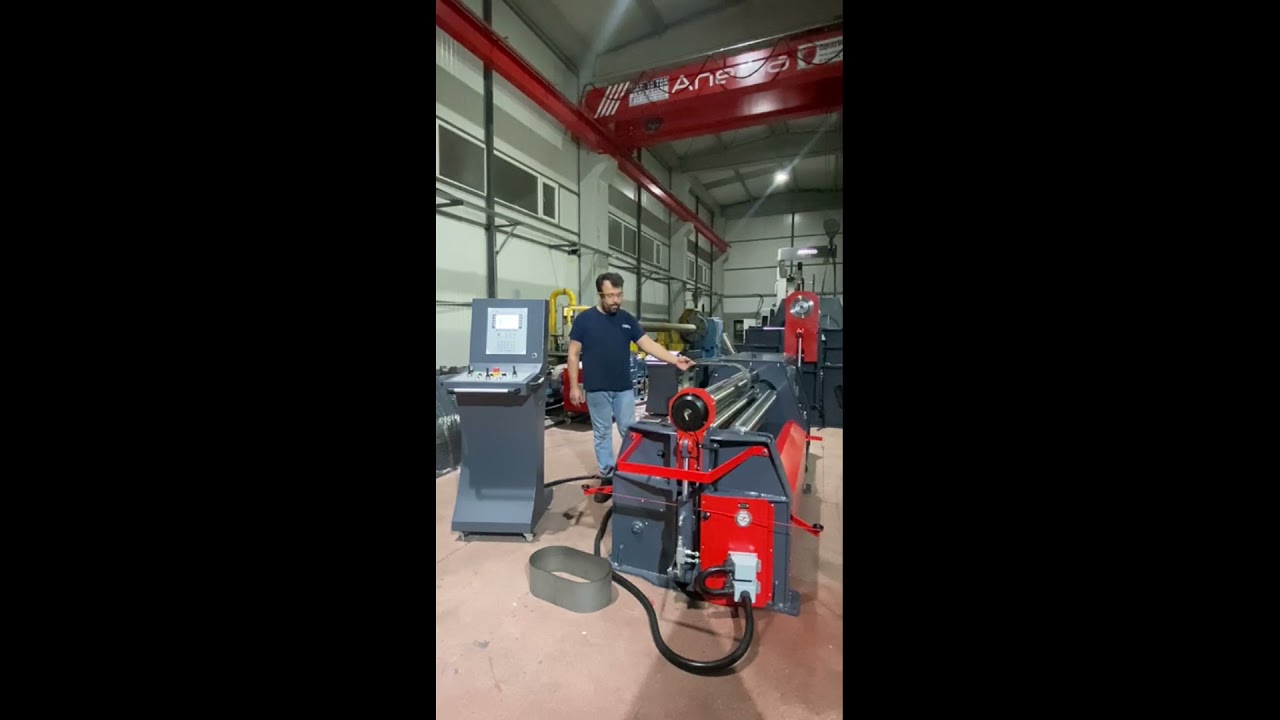
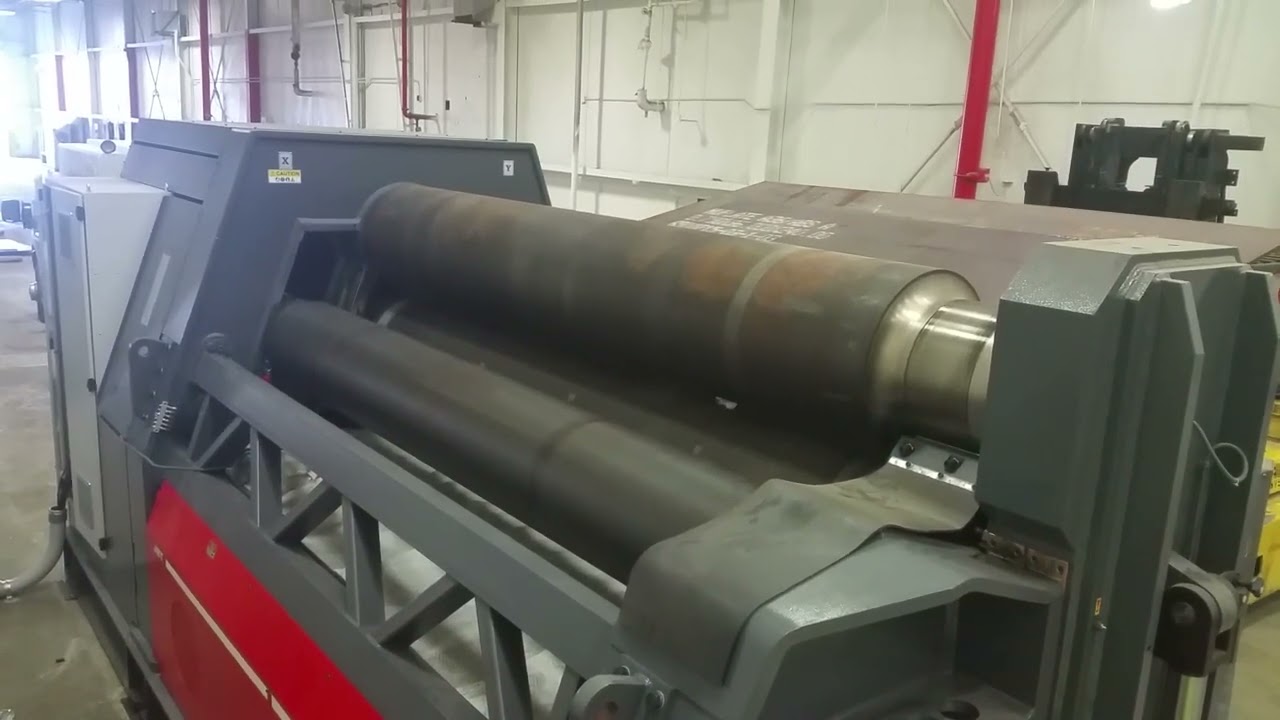
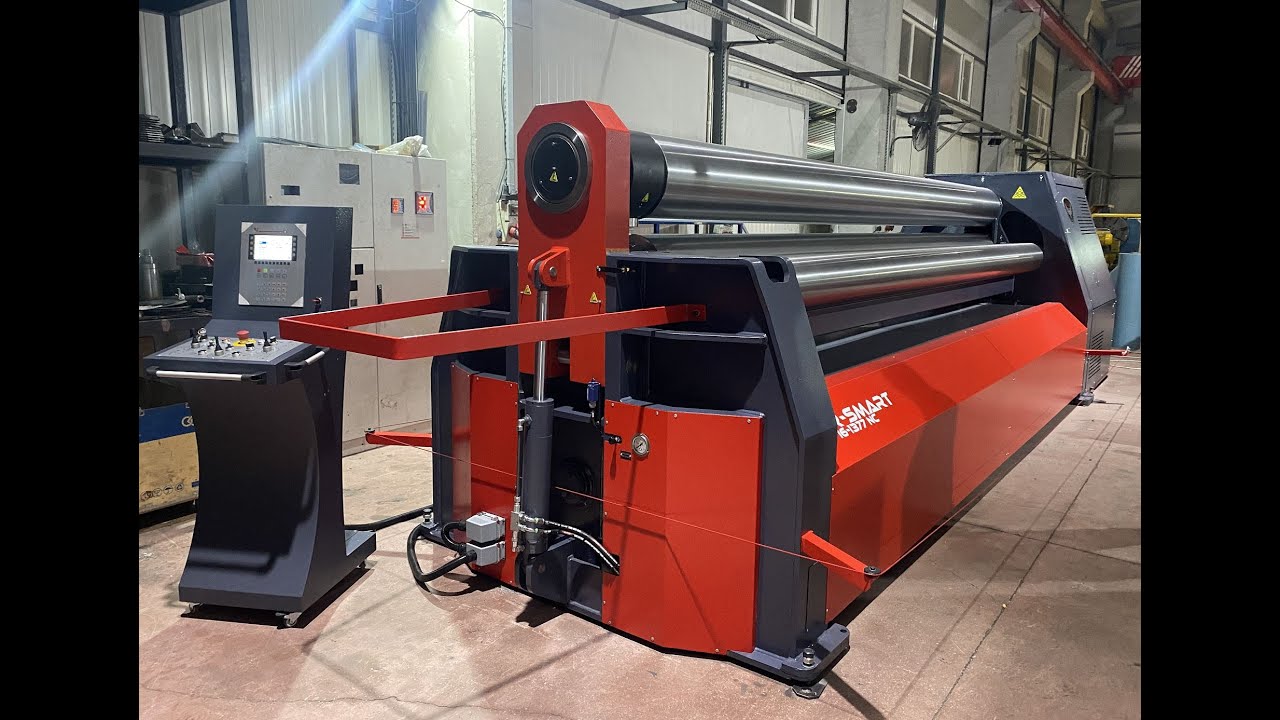
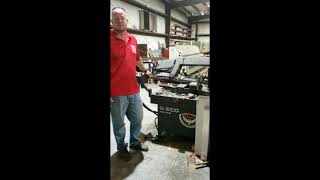
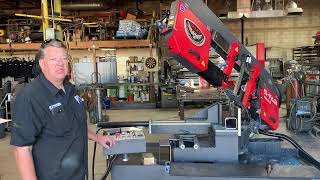
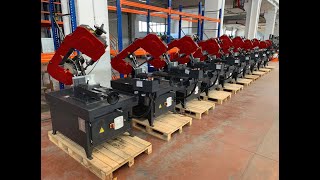
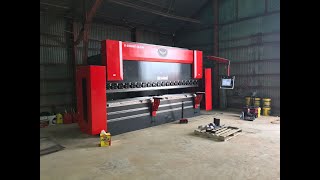
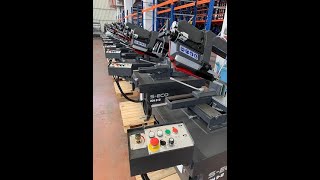
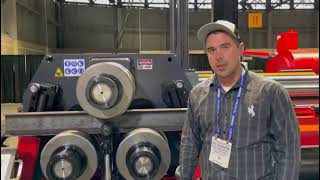
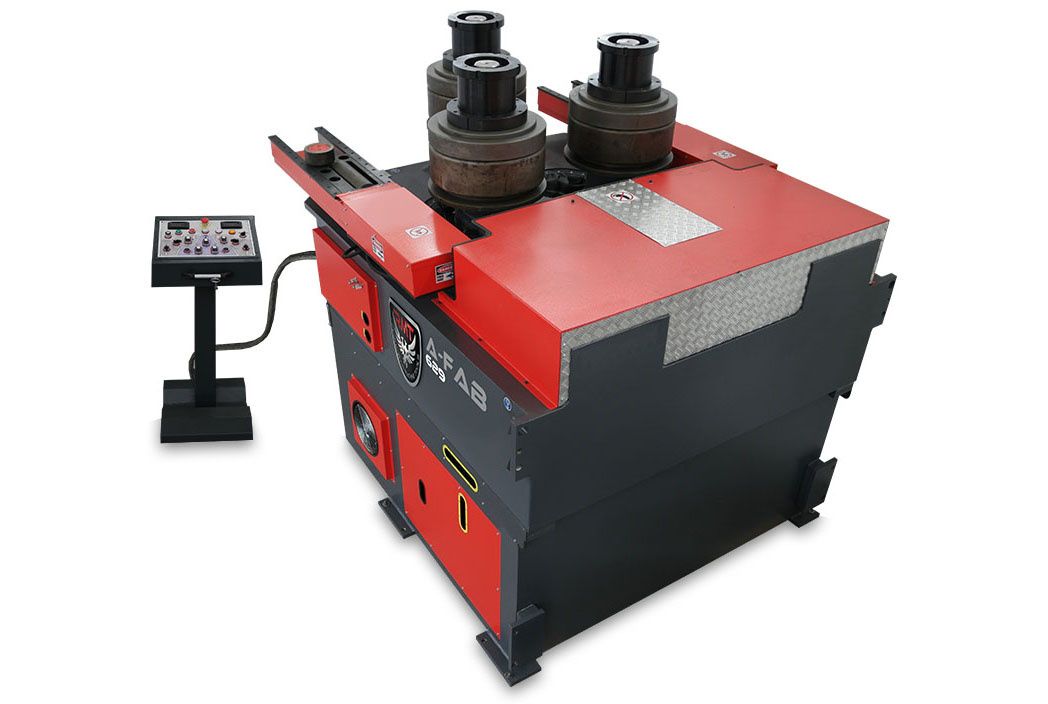
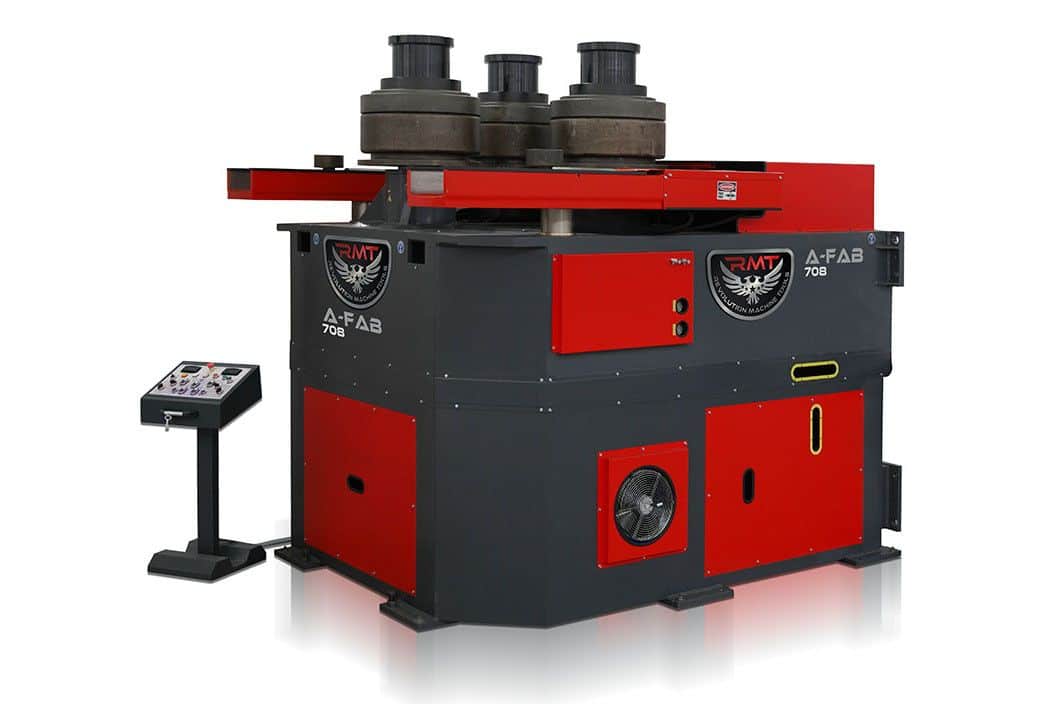
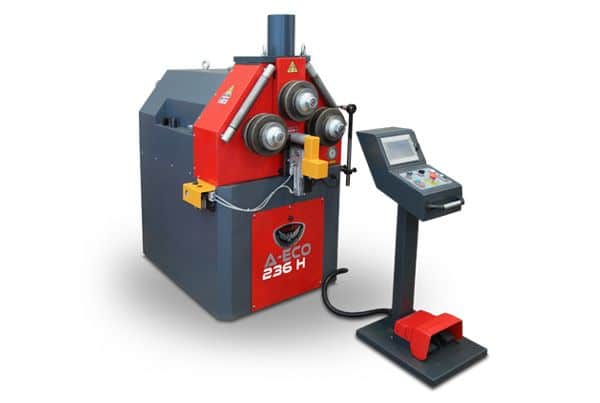
These initial pinch rolls are designed for small bending with low operation cost. R-ECO™ rolls feature robust cast iron frames (or steel welded frame, depending on size), chain and gearbox drive systems and electric motors with a magnetic break which eliminates drifting. They also offer foot pedals with forward, reverse, and emergency stop along with a safety wire and limit switch. A very economical, reliable, and efficient choice for your small parts needs.
The most important element of a plate roll machine are the rolls themselves. Most machines in the market have weak rolls that deform during the bending process, especially when trying to roll tight diameters. RMT uses high tensile forged steel rolls that are machined by high precision CNC lathes. Working surfaces of the rolls are CNC induction hardened to HRC 54-58 (5-6 mm deep) with hardness tests performed at varying points on the rolls. Rolling 1.1 x top roll diameter is easily achieved. The rolls are machined with a crown to compensate for roll deflection during the bending process and RMT plate rolls are built to minimize flat spots.
The engineers that design RMT machines are one the smartest in the industry. Continuously updating and changing the designs to fit the customer needs without breaking the bank. RMT's machines are revolutionizing the industry for a reason: they outperform other manufacturing technology company's product, design, and customer service.
Revolution Machine Tools was founded by Kyle Jorgenson, former president of Jorgenson Machine Tools (jorgensonmachinetools.com). Kyle and his team are revolutionizing the manufacturing technology industry with their innovative machines complimented by their amazing customer service.
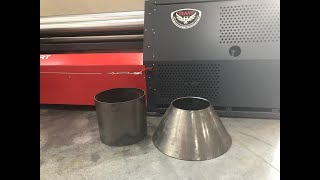
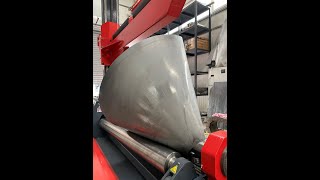
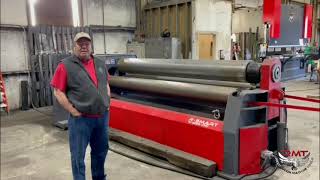
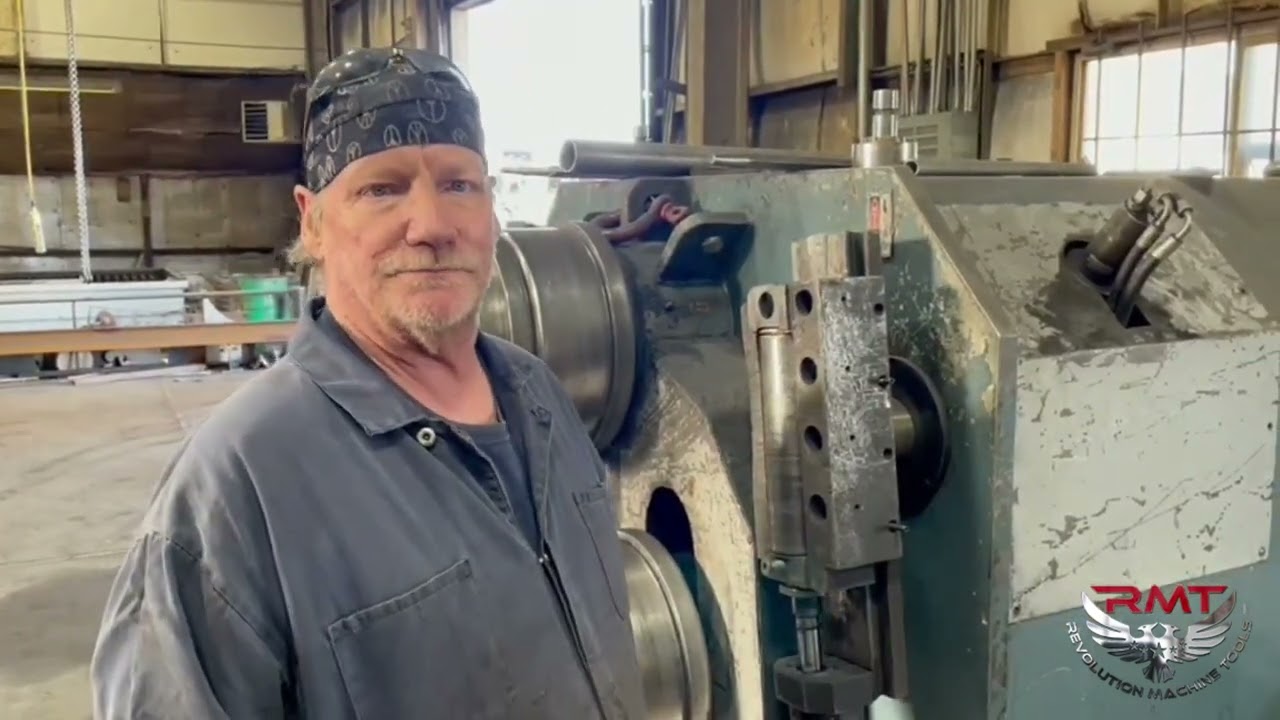
Plate Roll Demonstration | RMT R-Genius Plate Roll
Revolution Machine Tools proudly introduces plate roll which is 100% designed and engineered in the USA. Learn more at https://rmtus.com/rmt-plate-rolls.html
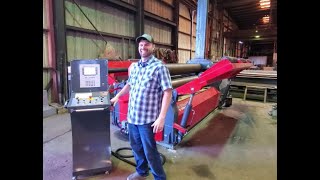
Testimonial for the B-GENIUS Revolution Machine Tools Press Brake Finn Kool - Kansas
We take pride in every machine we sell. It makes us extremely happy when our customers do also 🙂
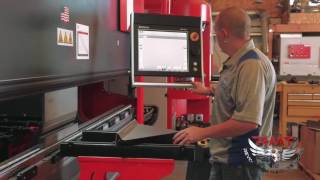
These Press Brakes feature a servo driven back-gauge system for faster speeds and better accuracy. The automatic CNC crowning system improves part quality. A 3D-capable Graphical Control Unit simulates bending sequences and detects collision points before you begin the bend. B-GENIUS Press Brakes have exceptionally large strokes, huge daylight, and throat depths to accommodate deep bending and long tooling.
Another satisfied customer! We just delivered an RMT B-Genius 12-150 to Cypress Metals (Utah) who has been using press brakes for nearly two decades. They exclaimed at the ease of use, the precision, the versatility and the speed of the machine.
The main operator told us that this machine is, “hands down, the best machine I have ever used!” We are proud of our machines and how we are helping our customers grow their businesses!
These Press Brakes feature a servo driven back-gauge system for faster speeds and better accuracy. The automatic CNC crowning system improves part quality. A 3D-capable Graphical Control Unit simulates bending sequences and detects collision points before you begin the bend. B-GENIUS Press Brakes have exceptionally large strokes, huge daylight, and throat depths to accommodate deep bending and long tooling.
These small initial pinch rolls are designed for small part bending with low operation cost. R-ECO rolls feature robust cast iron frames, chain and gear driven drive systems and electric motors with a magnetic break which eliminates drifting. They also offer foot pedals with forward, reverse, and E-stop along with a safety wire and limit switch. A very economical, reliable, and efficient choice for your small parts needs.
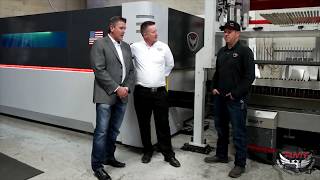
Fiber Nation a valued customer of ours gives us a testimonial on a Fiber Laser they bought from RMT years ago.
Presented by Kyle Jorgenson & Fiber Nation Executives (Anthony Evans & Dave Arbon)
Equipped with State-of-the-art technology, Fiber Lasers have become the leader in most CNC cutting applications. RMT Fiber Lasers feature unmatched cutting and travel speeds, all the while holding tolerances up to a thousandth of an inch.
For more information check out the RMT Fiber Lasers at https://rmtus.com/rmt-fiber-lasers.php
These small initial pinch rolls are designed for small part bending with low operation cost. R-ECO rolls feature robust cast iron frames, chain and gear driven drive systems and electric motors with a magnetic break which eliminates drifting. They also offer foot pedals with forward, reverse, and E-stop along with a safety wire and limit switch. A very economical, reliable, and efficient choice for your small parts needs.Learn more at https://rmtus.com/plate-rolls/
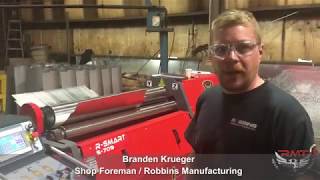
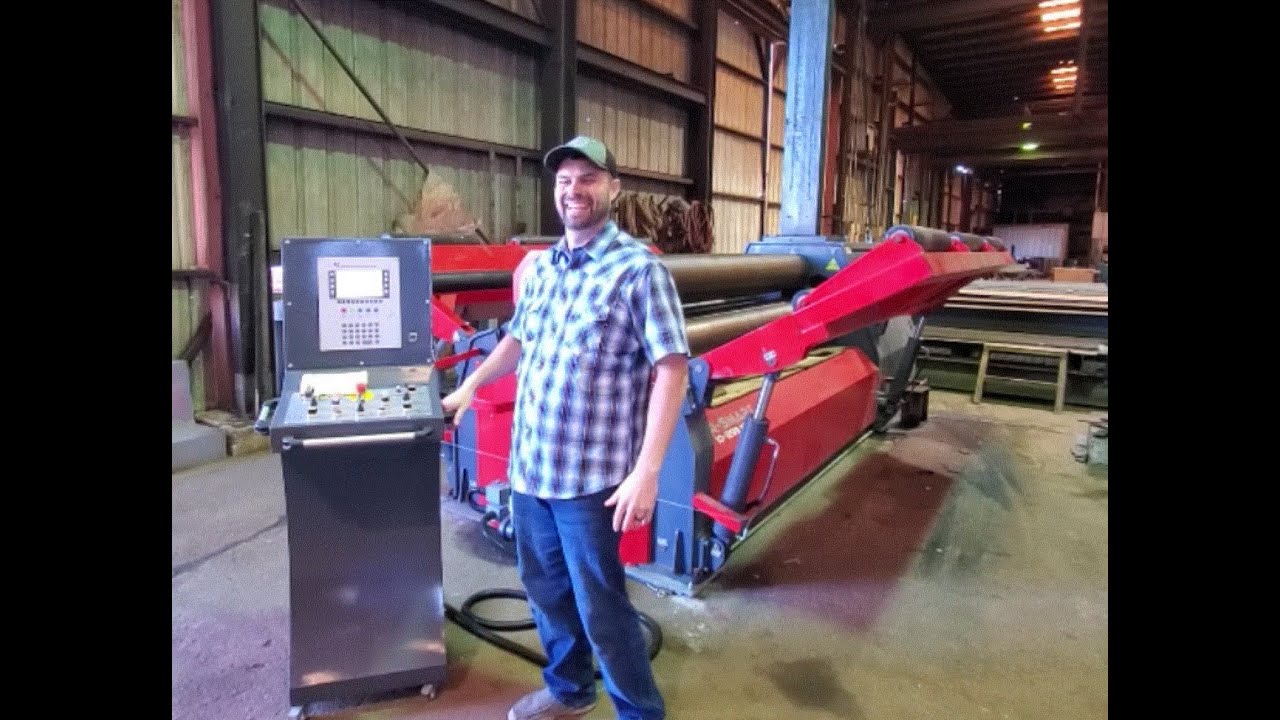
RMT R-SMART 10-866 Hydraulic 4 Rolls Plate Roll Machine - Testimonial by Absolute Metals
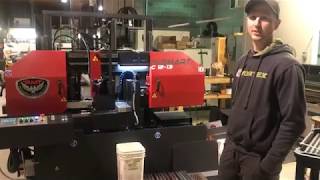
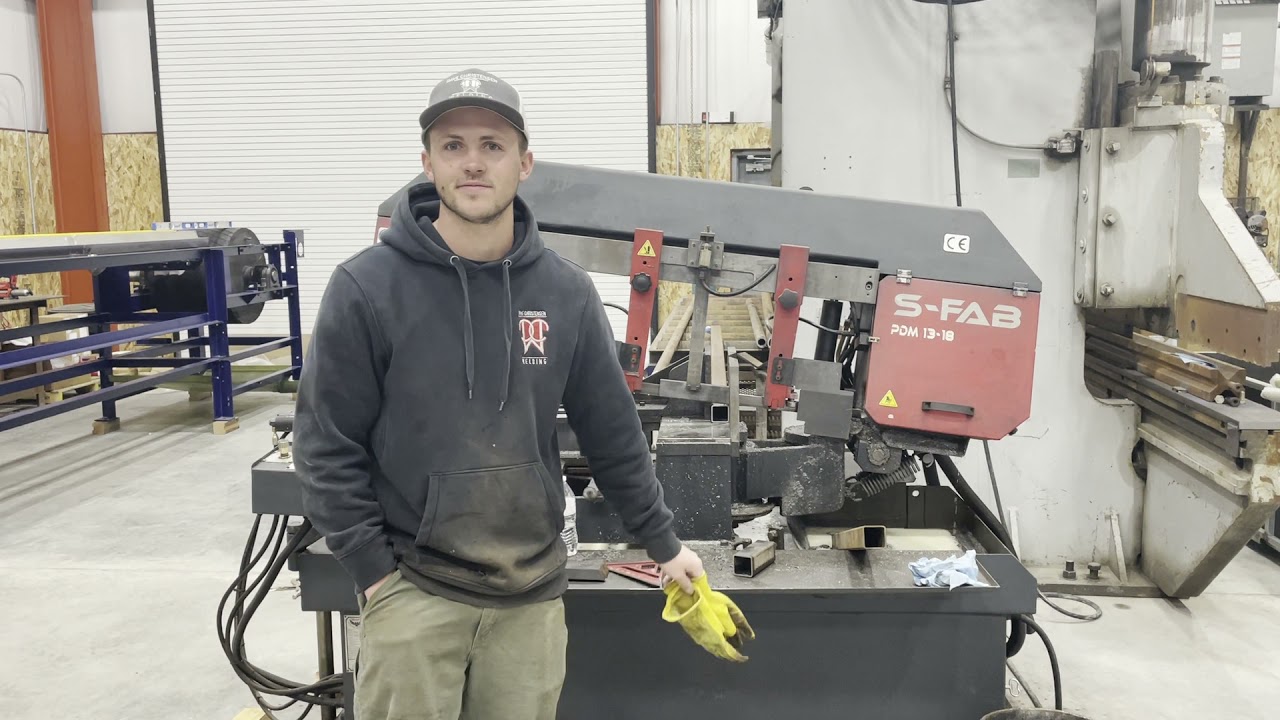
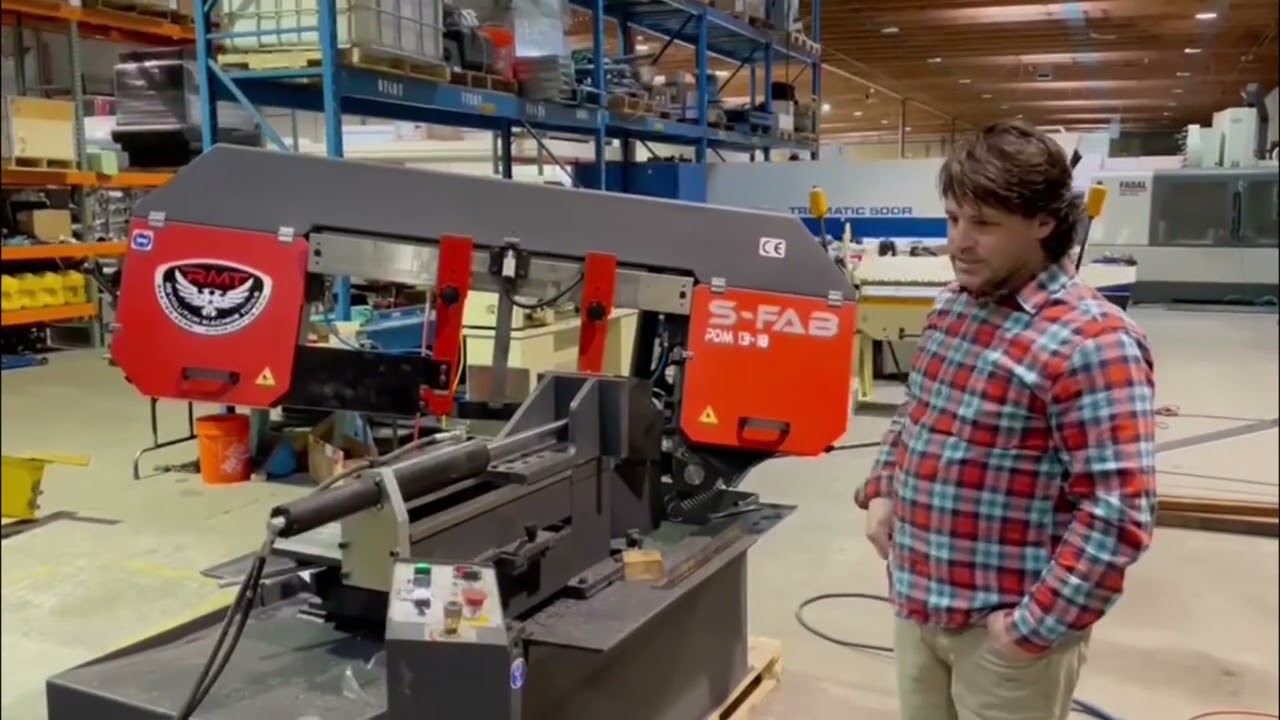
Scholzen a valued customer of RMT, gives a brief testimonial on the S-Fab Bandsaw they purchased to make their lives easier.Scholzen Products Co. HURRICANE, UT
People love these KYSON Fiber Laser machines! Don't believe us? Just take a moment and watch this testimonial 🙂 Presented By: Jared (KYSON Operator)
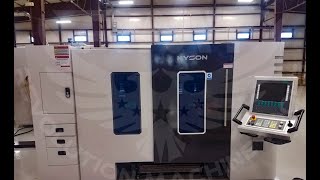
The RMT KYSON Series Fiber Laser is our latest design with a plethora of technological enhancements. The KYSON Fiber Laser’s speed, precision, reliability, and low operating cost is legendary and second to none.
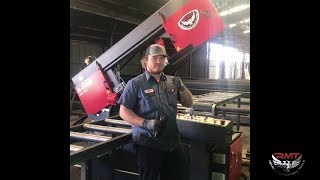
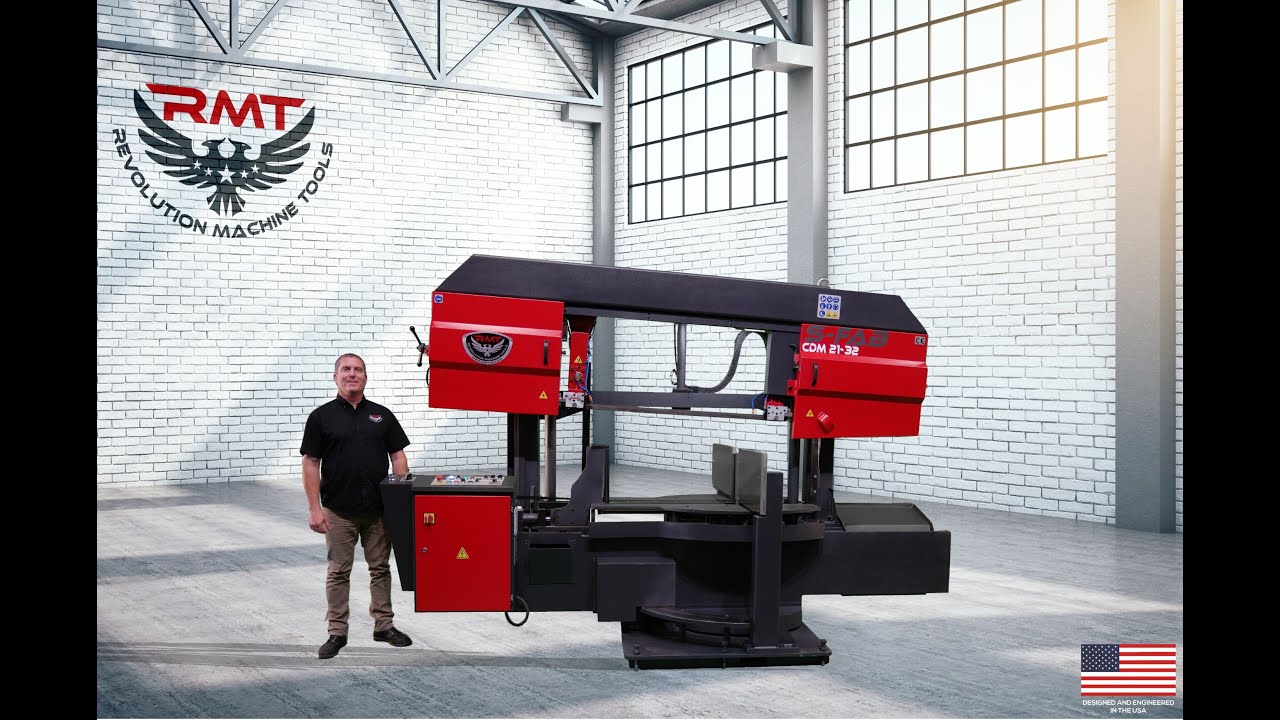
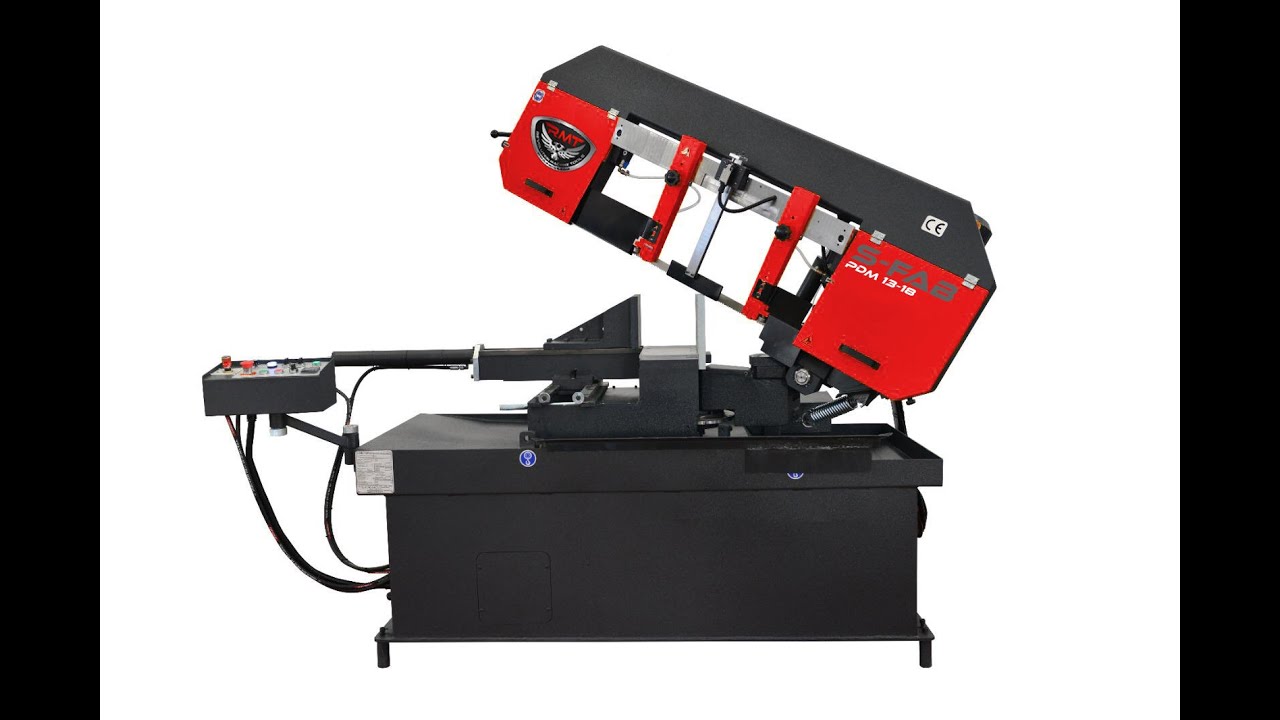
Pro Fab and Welding of Pleasant Grove, UT became the latest recipient of one of our new metal cutting band saw models. Fully automatic and loaded with features this saw makes short work of large bundles, even allowing up to a 60-degree miter. Joe, the operator for Pro Fab and Welding has been working with saws for 25 years and told us that, "This saw kicks butt" and "runs better than any saw I've ever had." He also made several comments about really wishing he had a couple of them, to which we just smiled.
RMT S-Smart Bandsaw - Pro Fab & Welding Testimonial
SME Steel in South Jordan, Utah is a proud owner of an RMT Press Brake and Shear. RMT was able to train the SME workforce to operate the machinery, thus saving money and expanding the skills set of its workers. www.RMTUS.com
TeraFlex talks about their RMT B-Genius 10-150 Press Brake. This brake is designed and commissioned by Revolution Machine Tools and its dedicated Research and Development Team.www.RMTUS.com
"Support on it has been unreal" This is exactly what RMT like to hear! It's our goal and part of our mission to provide unparalleled support to each and every customer.
Plus Fiber Laser technology blows everybody's socks off. So check out our KYSON lineup at www.rmtus.com/rmt-fiber-lasers.php
Hammerton a valued customer of ours gives us a testimonial on a KYSON 510 3 kW Fiber Laser they bought from RMT.
Presented by Greg Paulson - Production Manager
Equipped with State-of-the-art technology, Fiber Lasers have become the leader in most CNC cutting applications. RMT Fiber Lasers feature unmatched cutting and travel speeds, all the while holding tolerances up to a thousandth of an inch.
For more information check out the RMT Fiber Lasers at https://rmtus.com/rmt-fiber-lasers.php
Here we have yet another great customer giving us great reviews! It also helps we give great prices for our machines. We're just great! But you can be too! 🙂
Choosing the right tooling for your plate roll is essential to achieve accurate bends, smooth finishes, and consistent results. Here’s what to consider:
1. Match Tooling to Material
Tooling should be compatible with the type and thickness of the metal you’re rolling.
Harder metals or thicker plates require stronger, larger-diameter rolls, while thinner, softer metals can use smaller-diameter tooling.
2. Consider the Bend Radius
The roll diameter and tooling profile determine the minimum bend radius you can achieve without deforming the material.
Using the correct tooling ensures the bend is smooth and uniform across the plate.
3. Tooling Types
Standard cylindrical rolls are suitable for most straight bends and general forming.
Cone rolls, V-dies, or contoured rolls are used for specialized bends or curves.
Your RMT representative can help match roll profiles to your intended applications.
4. Tooling Maintenance
Keep tooling clean, lubricated, and free of nicks or damage.
Damaged tooling can produce inaccurate bends or surface defects.
5. Consult Manufacturer Recommendations
Always refer to RMT’s tooling charts and specifications for your specific plate roll model. This ensures you’re using tooling rated for your machine’s tonnage, roll size, and material capacity.
In short: Know your tooling by matching it to your material, required bend radius, and machine specifications, maintaining it properly, and consulting manufacturer guidelines. This ensures precise, safe, and repeatable results.
What types of rolls are available, and what are their advantages?
Plate rolling machines come with different roll configurations that impact how material is fed, shaped, and finished. The most common options you’ll see — and the advantages they offer — include:
2‑Roll Plate Rolls:
What they are: Two rolls (top and bottom) used for simple rolling of thinner materials.
Advantages:
Simple and low cost
Good for thin sheet or high‑volume batch rolling (e.g., cans or small cylinders)
Easy to automate in basic applications angleroller.com
Best for: Thin materials and high‑throughput, uncomplicated shapes.
3‑Roll Plate Rolls:
What they are: Three‑roll machines with one top roll and two lower rolls arranged in a triangular or pyramid configuration.
Advantages:
Initial pinch or double‑pinch configurations let you clamp the plate for controlled, repeatable bends.
Lower cost and simpler design than four‑roll machines.
Good versatility for cylinders, cones, and standard curved shapes.
Typical use cases: General fabrication and standard bending jobs where pre‑bending and bending cycle times are acceptable for your workflow.
4‑Roll Plate Rolls:
What they are: Four rolls — typically a top roll, a bottom roll, and two side rolls — that work together to grip and form the material.
Advantages:
High precision and control — the extra roll provides better material grip and reduces plate slippage.
Pre‑bend both ends without reloading — improves efficiency and reduces handling.
Better repeatability and accuracy, often with NC/CNC control options.
Faster cycle times and easier operation for thicker plates.
Best for: Production environments, thicker plate, and jobs needing higher accuracy or automation.
Variable Geometry (3‑Roll) Rolls
What they are: Special three‑roll machines where the rolls can move laterally and vertically to adjust the bending radius and shape.
Advantages:
Greater flexibility with complex shapes
Ability to roll thicker or exotic materials than standard fixed rolls
Can handle tight radii and custom geometries without additional tooling
Best for: Complex or custom shapes and varied production needs.
Pyramid or Specialty Rolls:
What they are: Rolls arranged in more than the standard configurations (like pyramid or segmented rolls) for specialized shapes.
Advantages:
Designed for specific shapes or large diameters like tanks, hoppers, or unique profiles.
Best for: Specialized fabrication projects requiring non‑standard bending approaches.
What is plate roll crowning?
Plate roll crowning is a built-in adjustment in the rolls that compensates for roll deflection, ensuring even, precise bends across the entire plate. It’s especially important for wide, thick, or high-precision rolling applications.
What thickness and width of material can your plate rolls handle?
RMT plate rolls are available for thin sheet work (e.g., ~12 ga) up through heavy plate (1 ¾″ or more) depending on model — and in widths from a few feet up to ~30 ft — so you can choose a configuration that matches your material thickness and width requirements.
How do I choose the right plate roll for my shop or production needs?
Choose a plate roll that matches your material specs, roll length requirements, desired precision, and production volume, while also fitting your shop space and budget. If you’re unsure, providing your material type, thickness, width, and part diameter goals to your RMT representative will help them recommend the most suitable model for you.
Are RMT plate rolls adjustable for different radii or material types?
RMT plate rolls are designed to be adjustable for different radii and material types through variable roll geometry, hydraulic positioning, and optional compensating features — giving you the flexibility to roll a wide range of jobs with accuracy and repeatability.
What maintenance is required to keep a plate roll operating efficiently?
Efficient operation of an RMT plate roll relies on lubrication, inspection, hydraulic and electrical maintenance, cleanliness, and adherence to preventive schedules. Following these steps ensures consistent bending quality, prolongs the life of the machine, and keeps your shop productive.
What safety features are included on RMT plate rolls?
RMT plate rolls include emergency stops, safety wiring and limit switches, protective covers, hydraulic assist features, and built‑in hydraulic pressure safety controls to help protect operators and keep rolling operations safe and reliable. These features — combined with proper training and standard safety practices — help create a safer work environment.
Does RMT provide training or technical support for plate roll operation?
Yes — RMT provides training, technical support, and ongoing service assistance for plate roll customers, helping you learn how to operate safely and efficiently, troubleshoot issues, and maintain your machine for long‑term success.
How do I achieve precise and consistent bends with an RMT plate roll?
Consistent, precise bends come from matching the right machine to your material, properly adjusting the rolls and crowning, using pre-bending when needed, maintaining the equipment, and applying careful operator technique. Following these steps ensures repeatable, high-quality rolling results with your RMT plate roll.