
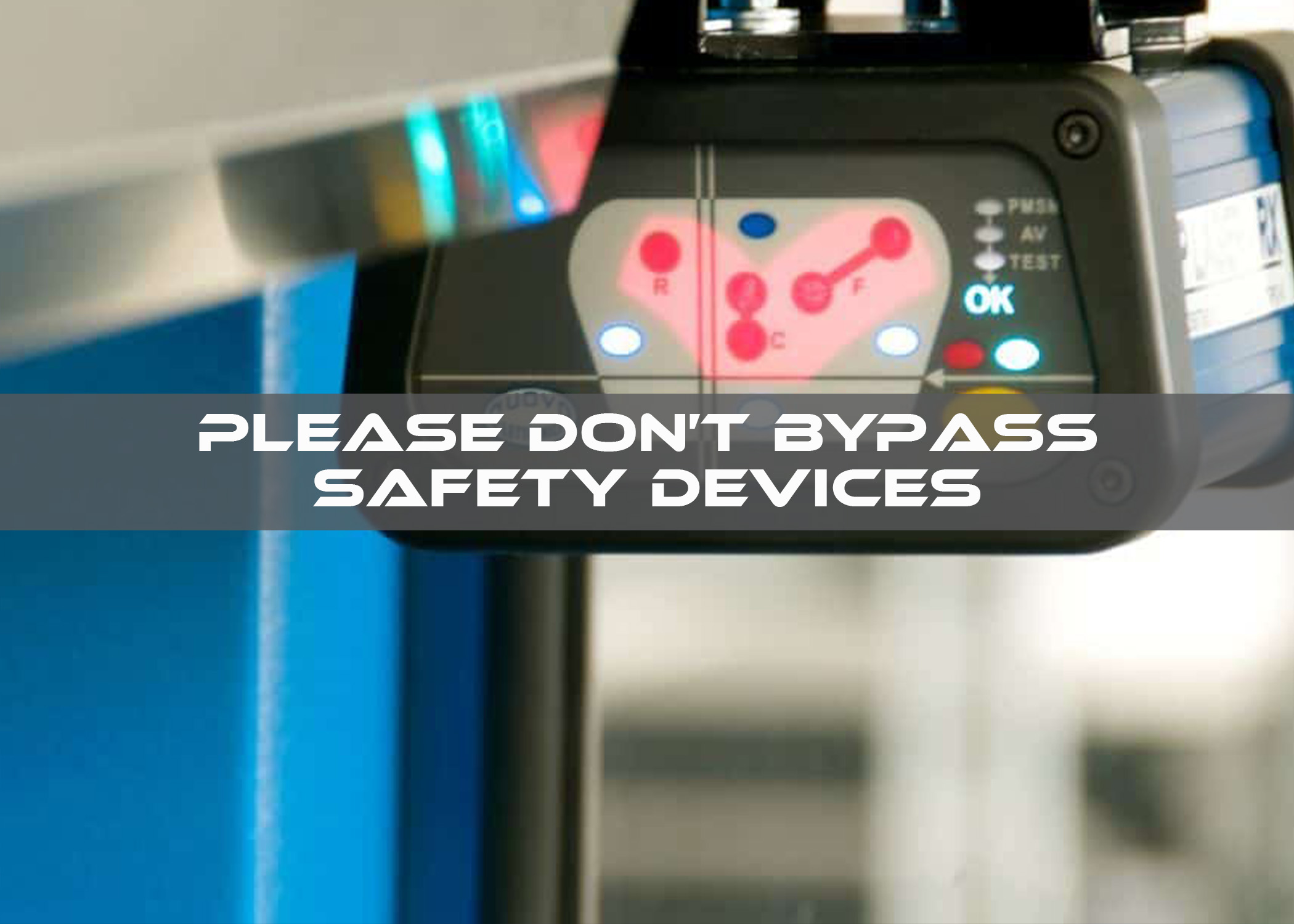
Metal fabrication is an essential industry that supports construction, manufacturing, transportation, and countless other sectors. From cutting and welding to bending and machining, fabricators routinely work with powerful equipment capable of shaping metal with speed and precision. However, the same machines that make fabrication efficient also pose serious risks when safety protocols are ignored. One of the most dangerous practices in fabrication environments is the intentional bypassing or disabling of safety devices. While it may seem like a shortcut to save time or increase productivity, bypassing safety devices puts workers, equipment, and entire operations at risk.
Safety devices are not optional accessories; they are engineered safeguards designed to prevent injuries, fatalities, and costly accidents. Ignoring them undermines the foundation of a safe and professional fabrication workplace.
Understanding the Role of Safety Devices
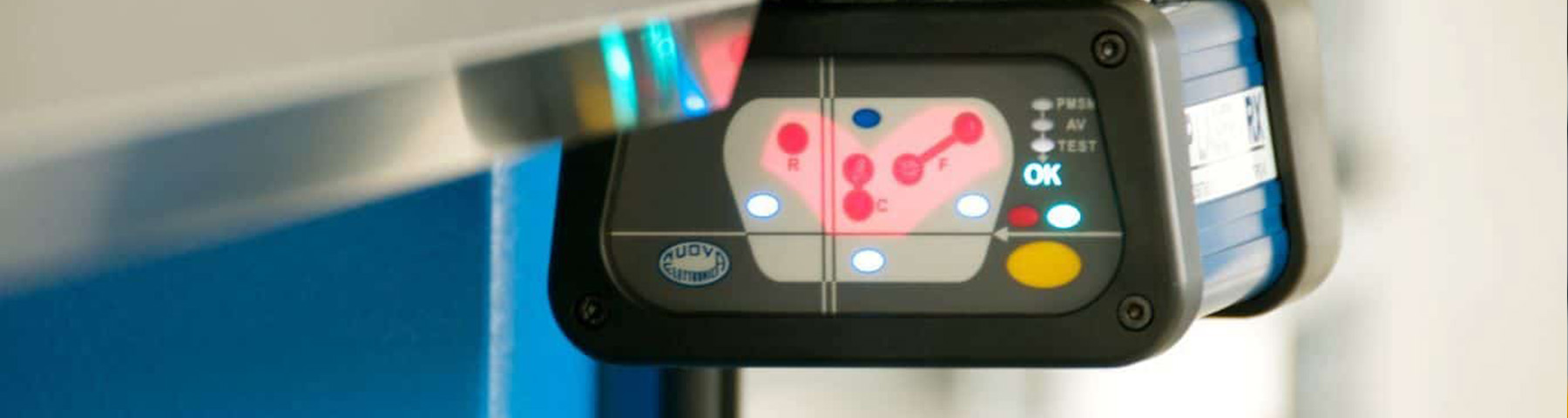
Safety devices in metal fabrication include machine guards, interlocks, emergency stop buttons, light curtains, two-hand controls, ventilation systems, and personal protective equipment (PPE) requirements. Each of these measures exists to control specific hazards such as rotating parts, pinch points, flying debris, electrical exposure, excessive heat, and harmful fumes.
Manufacturers design fabrication equipment to meet strict safety standards, often informed by decades of accident data and engineering analysis. When a safety device is installed, it is because someone, somewhere, was injured or killed without it. Removing or bypassing these protections effectively reintroduces known hazards into the workplace.
The False Promise of Increased Productivity
One of the most common reasons workers bypass safety devices is the belief that doing so will make the job faster or easier. Guards may be removed to allow quicker material placement, interlocks defeated to avoid machine shutdowns, or sensors disabled to prevent “nuisance stops.” While these actions may save seconds in the short term, they dramatically increase the likelihood of serious accidents.
The truth is that injuries cause far greater downtime than safety devices ever could. An accident can halt production for hours or days, trigger investigations, damage equipment, and result in costly repairs or replacements. Lost-time injuries also affect workforce morale and place additional strain on coworkers who must compensate for absent team members. What appears to be a shortcut often becomes a long and expensive detour.
Human Cost of Bypassing Safety Measures
The most serious consequence of bypassing safety devices is physical harm to workers. Metal fabrication accidents frequently involve amputations, crushing injuries, severe burns, eye damage, and even fatalities. A missing guard or disabled interlock can expose a worker to rotating blades, rapidly descending tooling, or high-temperature welds with little chance to react.
These injuries are often life-altering. Beyond immediate pain and medical costs, injured workers may face permanent disability, loss of income, emotional trauma, and reduced quality of life. Families and communities are also affected, bearing the emotional and financial burdens that follow workplace accidents. No production target or deadline justifies such outcomes.
Legal and Financial Consequences
Bypassing safety devices can expose both workers and employers to serious legal consequences. Regulatory agencies such as OSHA strictly prohibit tampering with safety equipment. Violations can result in heavy fines, citations, and mandatory corrective actions. In cases involving severe injury or death, criminal liability may also be considered.
From a financial perspective, workplace accidents drive up insurance premiums, workers’ compensation costs, and legal expenses. Companies with poor safety records may lose contracts, face reputational damage, or struggle to retain skilled employees. Conversely, organizations that prioritize safety tend to see improved efficiency, lower turnover, and stronger long-term performance.
The Cultural Impact on the Workplace
Allowing or encouraging the bypassing of safety devices sends a dangerous message: that speed matters more than people. This mindset erodes safety culture and normalizes risky behavior. Once one safeguard is removed, others often follow, creating a workplace where accidents become increasingly likely.
A strong safety culture depends on consistency and accountability. When workers see safety devices respected and enforced, they are more likely to follow procedures, report hazards, and look out for one another. Supervisors play a critical role in reinforcing this culture by addressing unsafe practices immediately and supporting workers who raise safety concerns.
Training and Responsibility
Proper training is essential to preventing the bypassing of safety devices. Workers should understand not only how to use equipment safely, but why specific safeguards exist. When employees recognize the purpose behind a guard or sensor, they are less likely to view it as an inconvenience.
Responsibility for safety does not rest solely on management or safety officers. Every individual in a fabrication shop has a role to play. If a machine cannot perform a task safely with its safeguards in place, the correct response is to stop work and address the issue—not to defeat the safety system.
The Professional Shop Is Committed to Safety
Bypassing safety devices in metal fabrication is a dangerous practice with far-reaching consequences. While it may seem like a minor adjustment or time-saving measure, it exposes workers to severe hazards, increases the likelihood of accidents, and jeopardizes both lives and livelihoods. Safety devices are the result of hard-earned lessons and engineering expertise, designed to protect people from predictable risks.
A commitment to safety is a commitment to professionalism, responsibility, and respect for human life. By refusing to bypass safety devices and by fostering a culture that prioritizes safe work practices, metal fabrication professionals can ensure that productivity and protection go hand in hand. In the end, no shortcut is worth the cost of an injury that could have been prevented.