

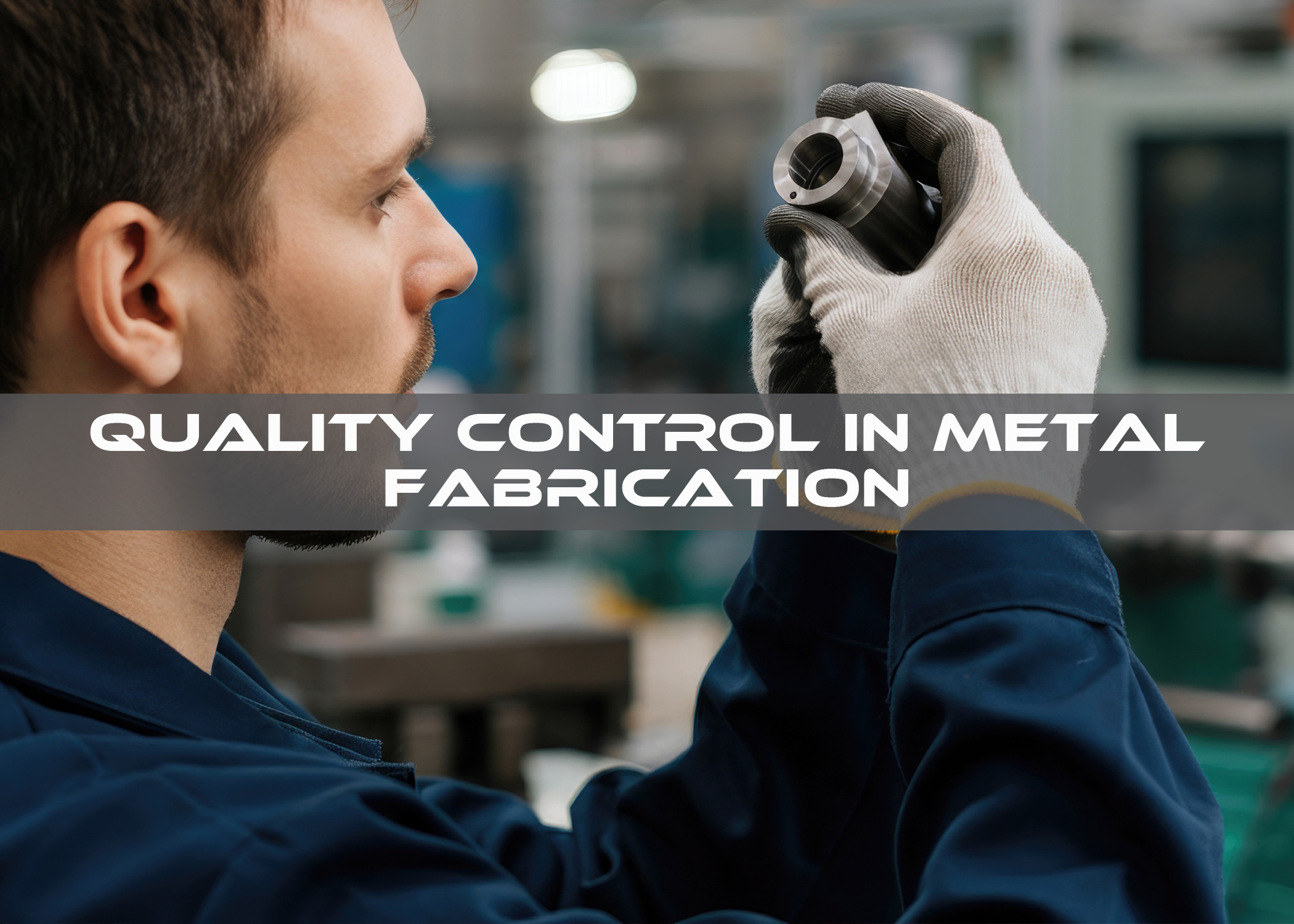
Quality control (QC) is a critical pillar of metal fabrication, directly influencing product performance, safety, and customer satisfaction. From structural steel components to precision-machined parts used in aerospace and medical applications, metal fabrications must meet strict specifications and tolerances. Effective quality control ensures that fabricated components conform to design requirements, industry standards, and regulatory expectations while minimizing waste, rework, and costly failures.
Understanding Quality Control in Metal Fabrication
Quality control in metal fabrication refers to the systematic processes used to verify that materials, processes, and finished products meet defined quality standards. Unlike quality assurance, which focuses on process design and prevention, QC emphasizes inspection, measurement, testing, and corrective action. In a fabrication environment, QC spans the entire production lifecycle—from raw material intake to final inspection and delivery.
Metal fabrication involves cutting, bending, welding, machining, and assembling metal parts. Each step introduces potential defects such as dimensional inaccuracies, surface flaws, weld discontinuities, or material inconsistencies. A robust QC system is designed to identify these issues early and ensure they are corrected before parts reach the customer.
Material Inspection and Verification
Quality control begins with raw material inspection. Fabricators must verify that incoming metals meet specified grades, chemical compositions, mechanical properties, and dimensional requirements. This often involves reviewing mill test reports (MTRs), performing visual inspections, and conducting tests such as hardness checks or chemical analysis.
Using substandard or incorrect material can compromise strength, corrosion resistance, or machinability, leading to failures downstream. Traceability is also essential, particularly in regulated industries, allowing materials to be tracked from supplier to finished product.
Process Control During Fabrication
Maintaining consistent quality during fabrication requires close monitoring of production processes. Process control includes verifying machine settings, tooling condition, and operator adherence to work instructions. For example, fiber laser cutting parameters such as power, speed, and focus must be properly set to avoid excessive dross or dimensional errors. Similarly, press brake bending operations require precise control of tonnage and tooling alignment to achieve accurate angles.
Statistical process control (SPC) is often used to monitor key dimensions and process variables. By collecting and analyzing data in real time, fabricators can detect trends or deviations before they result in nonconforming parts. This proactive approach reduces scrap and improves overall process stability.
Welding Quality Control
Welding is one of the most critical and defect-prone aspects of metal fabrication. Quality control in welding involves both procedural and product-focused measures. Welding procedures are qualified to ensure they produce sound welds under specified conditions, and welders are certified to demonstrate their skill and consistency.
Inspection methods range from visual inspection to advanced non-destructive testing (NDT) techniques such as ultrasonic testing, radiographic testing, magnetic particle inspection, and dye penetrant testing. These methods help identify defects like cracks, porosity, lack of fusion, or incomplete penetration that may not be visible to the naked eye.
Proper documentation of welding parameters, inspections, and test results is essential, especially for projects governed by standards such as AWS, ASME, or ISO.
Dimensional Inspection and Measurement
Dimensional accuracy is fundamental to metal fabrication quality. Components must fit and function as intended, often within tight tolerances. Quality control teams use a variety of measurement tools, including calipers, micrometers, height gauges, coordinate measuring machines (CMMs), and laser scanners.
Inspection can occur at multiple stages: first-article inspection to validate initial production, in-process inspection to monitor consistency, and final inspection to confirm compliance before shipment. Clear inspection plans define which features are critical, how often measurements are taken, and what acceptance criteria apply.
Surface Finish and Appearance
While structural integrity is paramount, surface finish and appearance also play an important role in quality perception and performance. Surface defects such as scratches, pits, scale, or uneven coatings can affect corrosion resistance, fatigue life, and customer acceptance.
Quality control for surface finish may include visual standards, roughness measurements, coating thickness checks, and adhesion testing. In applications such as architectural metalwork or consumer products, aesthetics can be just as important as functional requirements.
Documentation, Standards, and Compliance
Effective quality control relies heavily on documentation. Inspection records, test reports, nonconformance reports, and corrective action logs provide traceability and accountability. These records also support audits, customer reviews, and continuous improvement initiatives.
Many metal fabrication shops operate under recognized quality management systems such as ISO 9001. Industry-specific standards—such as ISO 3834 for welding quality or AS9100 for aerospace—define additional QC requirements. Compliance with these standards helps ensure consistency, reduce risk, and build customer trust.
Continuous Improvement and Human Factors
Quality control is not a static function; it evolves through continuous improvement. Root cause analysis of defects, implementation of corrective and preventive actions, and regular review of QC data help organizations refine their processes. Lean manufacturing and Six Sigma methodologies are often applied to reduce variation and eliminate waste.
Equally important is the human element. Skilled inspectors, trained operators, and a strong quality culture contribute significantly to fabrication quality. When employees understand the importance of quality and are empowered to report issues, the entire organization benefits.
The Pursuit of Precision Through Quality Control
Quality control in metal fabrication is a comprehensive, end-to-end discipline that ensures products meet technical, regulatory, and customer requirements. By focusing on material verification, process control, welding inspection, dimensional accuracy, and documentation, fabricators can deliver reliable, high-performing components.
In an increasingly competitive and quality-driven industry, robust quality control is a requirement for achieving both a healthy bottom line and a dominant position in the local market.