
There is a primal satisfaction in holding a tool that you have crafted with your own hands, and few tools are as universally recognized or respected as a well-made knife. In recent years, the craft of knife making has seen a massive resurgence, with many knife makers taking up the hobby. However, the journey from admiring custom knives to personally producing one is paved with a steep learning curve, a fair amount of steel dust, and the realization that a knife is much more than just a sharpened piece of metal.
If you are looking to step into the workshop and start making knives, you need to understand that it is a discipline of two halves: the physical skills you must develop, and the machinery you need to execute them safely and efficiently.
The Essential Skills of a Bladesmith
Before you plug in a single power tool, you must cultivate the mindset and the practical knowledge required to turn a raw bar of steel into a high-performance cutting tool.
- Design and Blade Geometry. A knife is an exercise in applied geometry. You must learn how to design a blade that is suited for its intended purpose. A thick, convex edge might be perfect for a heavy camp chopper, while a thin, flat-ground bevel is necessary for a nimble kitchen slicer. Understanding terminology like the spine, the primary bevel, the plunge line, and the distal taper is critical. You are not just making metal sharp; you are engineering how the steel moves through material.
- Basic Metallurgy and Heat Treatment. This is what separates a true knife from a “knife-shaped object.” You must understand the basics of steel composition. Most beginners start with high-carbon steels (like 1084 or 1095) because they are relatively forgiving to heat treat at home compared to complex stainless steels. You need to learn the heat-treating cycle: Normalizing—heating the steel to relieve internal stresses caused by grinding or forging; Quenching—heating the steel to its critical, non-magnetic temperature and rapidly cooling it in specialized oil to harden it; Tempering—baking the hardened, brittle steel at a lower temperature to trade away some hardness in exchange for toughness, preventing the blade from snapping under pressure.
- Precision and Hand-Eye Coordination. While machines do the heavy lifting, knife making relies heavily on muscle memory and subtle hand movements. Grinding a perfectly symmetrical bevel on both sides of a blade requires incredibly steady hands and an intuitive feel for how the steel interacts with the abrasive belt.
- Immense Patience (The Art of Hand Sanding). Many new makers are shocked by how much of the process is done by hand. Once the rough grinding is complete, you will spend hours with sandpaper, moving through progressively finer grits to remove deep scratches and refine the blade’s finish. It is tedious, repetitive work that requires discipline; rushing this step ruins the aesthetic of the final product.
The Machinery and Tools of the Trade
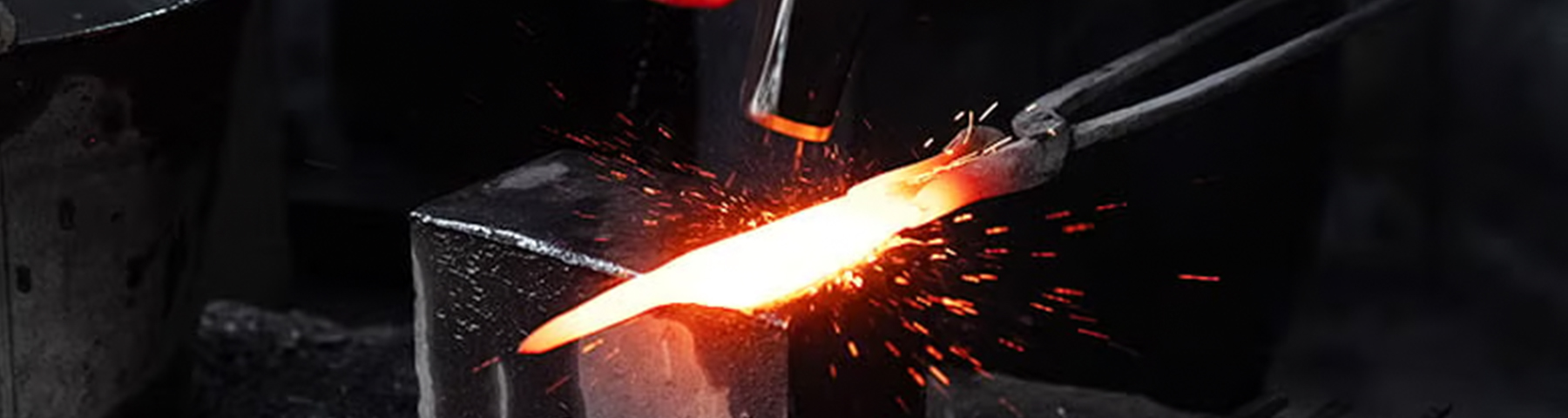
Knife making generally falls into two camps: Forging (heating steel and shaping it with a hammer and anvil) and Stock Removal (cutting and grinding a knife profile out of a flat bar of steel). Most modern makers start with stock removal because it is highly precise and requires less initial overhead. Here is the machinery you will need to set up a functional stock removal shop.
- The Heart of the Shop: The Belt Grinder. If there is one machine that defines the modern knife maker, it is the belt grinder. While you can make a knife with hand files (a process known as the Gough jig method), a grinder makes the process infinitely faster and smoother. The 2×72 grinder is the gold standard for professionals. It uses belts that are 2 inches wide and 72 inches long. These machines offer variable speed, vast belt selections, and versatile attachments (like flat platens and contact wheels). They are expensive, but they are lifetime investments. If you are on a tight budget, a small 1×30 belt sander from a hardware store will get you started. It is underpowered and will require patience, but it has birthed countless successful knife making careers.
- The Drill Press. A hand drill is simply not accurate enough for knife making. You need a benchtop drill press to drill perfectly perpendicular holes through the tang of the knife. These holes are necessary for the pins that will eventually secure your handle material (scales) to the steel. If your holes are even slightly angled, your handle pins will not fit, and your handle scales will crack.
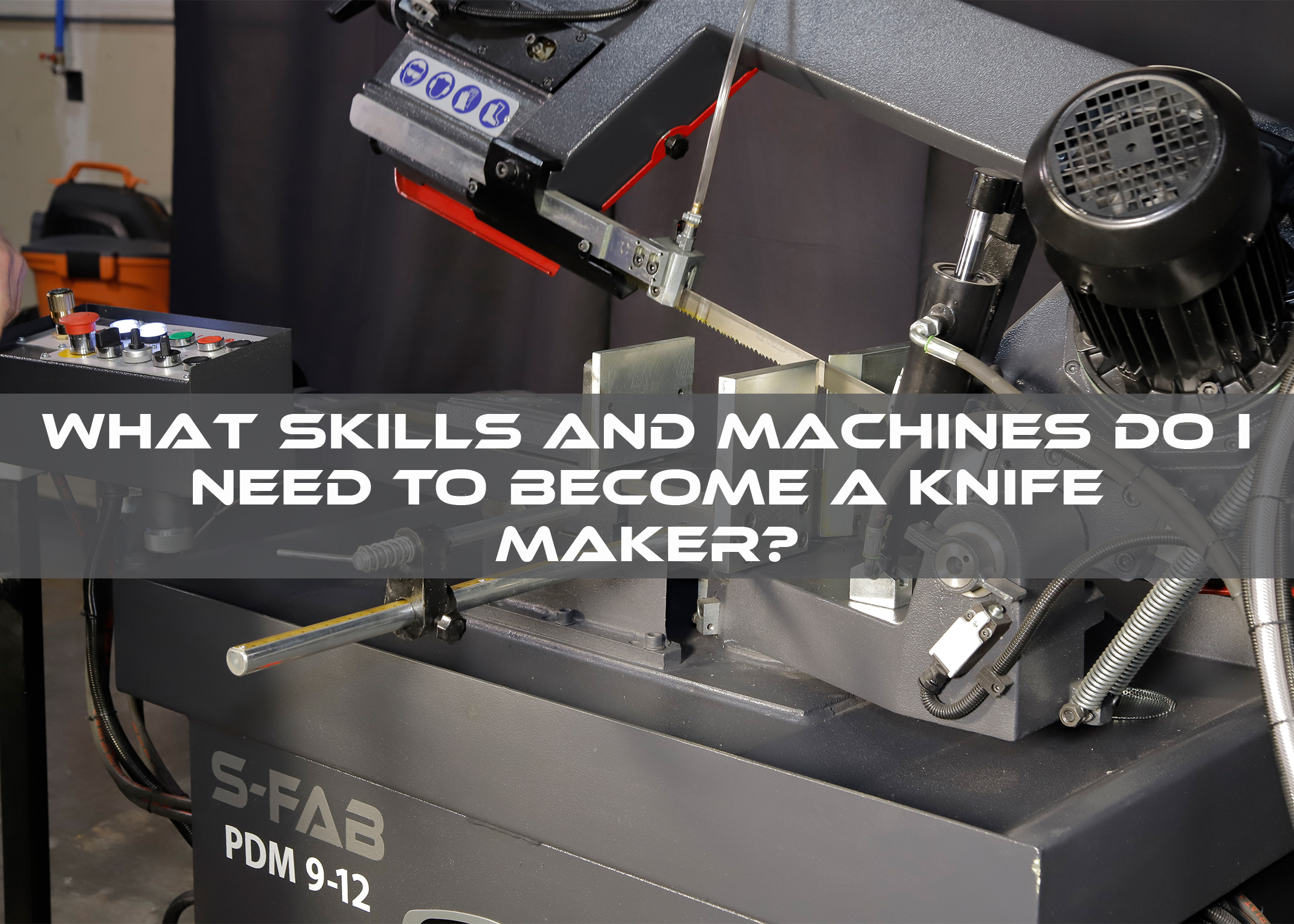
- Cutting Tools: Angle Grinder or Metal Bandsaw. To extract your knife design from a rectangular bar of steel, you need to cut away the excess. A high-quality metal-cutting bandsaw (like a portable deep-cut bandsaw mounted to a vertical table) is incredibly precise and quiet. Alternatively, an angle grinder fitted with metal cut-off wheels is a cheap, highly effective, albeit loud and spark-heavy, way to profile your blank.
- Heat Treating Equipment. If you plan to heat treat your own blades, you will need a heat source. A small, one- or two-burner propane forge is excellent for heating high-carbon steel to its critical temperature. For precise, programmable heat control (essential for stainless steels), an electric kiln (heat-treating oven) is the ultimate luxury. Note: Many beginners opt to mail their profiled, unhardened blades to professional heat-treating services. This saves money on equipment and guarantees a perfect heat treat while you focus on your grinding skills.
The Non-Negotiables (Safety and Space)
Finally, you cannot be a knife maker without the right protective gear. Grinding steel, fiberglass (G10), canvas micarta, and exotic woods produces microscopic dust that is incredibly hazardous to your lungs.
- Respirator. A high-quality half-face respirator with P100 particulate filters is mandatory. A cheap paper dust mask will not protect you.
- Eye Protection. Sparks, shattered cutoff wheels, and flying debris are constants in a metal shop. Wrap-around safety glasses or a full-face shield are strictly required.
- Ventilation. A workshop with cross-ventilation or a dedicated dust collection system will keep your workspace safe and manageable.
Becoming a knife maker is a journey of continuous improvement. Your first knife will likely be ugly, clunky, and flawed—and you will be incredibly proud of it. By focusing on mastering the geometry of the blade, respecting the science of the steel, and safely utilizing core machinery like the belt grinder and drill press, you will be well on your way to crafting functional, beautiful tools that can last generations.