
In today’s metal fabrication industry, companies face increasing pressure to deliver high-quality products faster, safer, and more cost-effectively than ever before. Advances in automation, tighter tolerances, workforce shortages, and fluctuating demand all challenge traditional shop structures built around narrowly defined job roles. One of the most effective strategies for meeting these challenges is cross-training—developing employees who are skilled in multiple processes, machines, and roles within the fabrication environment. Cross-training is no longer a “nice to have” perk of the shop—it is a critical driver of operational resilience, workforce engagement, and long-term competitiveness.
Improved Operational Flexibility
Metal fabrication shops rely on a complex chain of processes, from cutting and forming to welding, finishing, and assembly. When employees are trained in only one task, production becomes vulnerable to disruptions caused by absenteeism, turnover, or bottlenecks. Cross-trained employees provide flexibility, allowing supervisors to reassign labor quickly to areas of need without sacrificing quality or output.
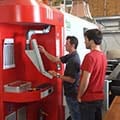
For example, if a press brake operator is absent, a cross-trained fiber laser operator who understands material handling, tooling, and safety procedures can step in with minimal downtime. This flexibility helps shops maintain delivery schedules and respond more effectively to rush orders or changes in customer demand. In an industry where on-time delivery is often a key differentiator, cross-training directly supports customer satisfaction.
Reduced Downtime and Increased Productivity
Downtime is costly in metal fabrication. Machines sitting idle due to staffing constraints waste capital investment and slow throughput. Cross-trained workers help minimize this risk by ensuring that critical equipment can continue running even when staffing levels fluctuate.
Additionally, employees who understand upstream and downstream processes tend to work more efficiently. A welder who understands how parts are cut and formed, for instance, is more likely to recognize dimensional issues early and prevent rework. This systems-level understanding improves communication between departments and reduces errors that lead to scrap or delays, ultimately increasing overall productivity.
Enhanced Quality and Process Understanding
Quality in metal fabrication depends on consistency, precision, and attention to detail across every stage of production. Cross-training builds a deeper understanding of how individual tasks affect the final product. When employees see the full lifecycle of a part—from raw material to finished assembly—they are more likely to take ownership of quality outcomes.
This broader perspective encourages proactive problem-solving. Operators who recognize how their work impacts subsequent steps are more likely to flag issues early, suggest process improvements, and collaborate across departments. Over time, this leads to more robust quality systems and a culture of continuous improvement rather than one focused solely on isolated tasks.
Workforce Development and Employee Engagement
The metal fabrication industry faces a persistent skills gap, driven by retirements, competition for skilled labor, and evolving technology. Cross-training is a powerful tool for workforce development, allowing shops to grow talent internally rather than relying solely on external hiring.
Employees who are cross-trained gain valuable, transferable skills that increase their confidence and job security. This investment in employee growth signals that the company values long-term development, which can significantly improve morale and retention. Engaged employees are more likely to stay with an organization, reducing turnover costs and preserving institutional knowledge.
From the employee’s perspective, cross-training also reduces monotony. Repetitive work can lead to burnout and complacency, particularly in production environments. Rotating responsibilities and learning new skills keeps work more interesting and mentally stimulating, contributing to higher job satisfaction.
Improved Safety and Risk Awareness
Safety is a top priority in metal fabrication, where employees routinely work with heavy machinery, sharp materials, high temperatures, and electrical systems. Cross-training enhances safety by increasing awareness of potential hazards across the shop floor.
When employees understand multiple processes, they are better equipped to recognize unsafe conditions and avoid risky behaviors. A worker trained on both machining and material handling, for example, is more likely to understand load limits, pinch points, and proper lifting techniques. Cross-training also reduces the likelihood of improper machine use, as employees receive formal instruction rather than learning informally under pressure.
Moreover, a flexible workforce reduces the need to assign untrained or undertrained personnel to unfamiliar tasks during emergencies or staffing shortages, lowering the risk of accidents.
Stronger Succession Planning and Business Continuity
Many fabrication shops rely heavily on a few highly experienced individuals who possess deep, specialized knowledge. While this expertise is valuable, it also creates risk if that knowledge is not shared. Cross-training helps distribute critical skills across the workforce, reducing dependency on any single individual.
This approach supports succession planning by preparing employees to step into more advanced roles over time. When retirements or unexpected departures occur, the business is better positioned to maintain continuity without major disruptions. In an industry where tribal knowledge often plays a significant role, cross-training ensures that expertise is preserved and passed on.
Supporting Innovation and Continuous Improvement
Innovation in metal fabrication often comes from those closest to the work. Cross-trained employees, with their broader understanding of processes and constraints, are well-positioned to identify opportunities for improvement. They can suggest changes that optimize material flow, reduce setup times, or improve ergonomics because they understand how different areas interact.
This cross-functional insight is especially important as shops adopt new technologies such as automation, robotics, and advanced software systems. Employees who understand multiple aspects of production adapt more quickly to change and can help bridge the gap between traditional craftsmanship and modern manufacturing methods.
Successful Shops Cross-Train Staff
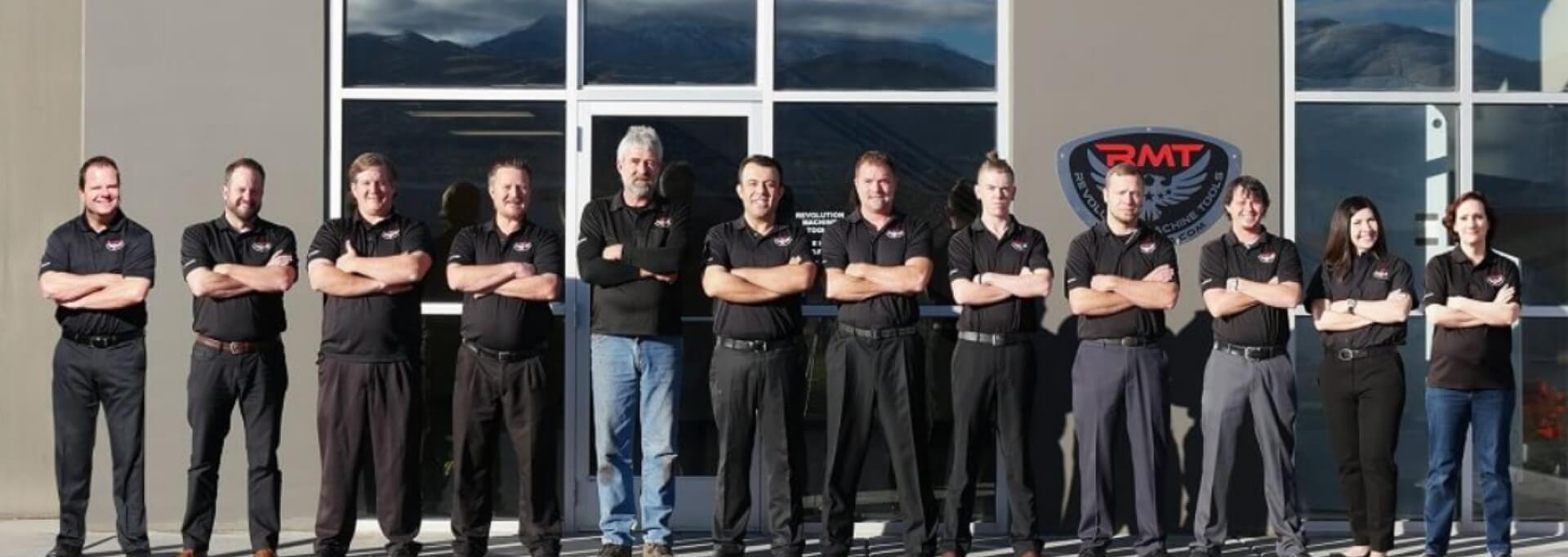
Cross-training is a strategic investment that delivers measurable benefits across every aspect of metal fabrication operations. It enhances flexibility, productivity, quality, safety, and employee engagement while strengthening resilience against labor shortages and operational disruptions. In a competitive and evolving industry, shops that prioritize cross-training are better equipped to meet customer expectations, retain skilled workers, and adapt to future challenges. Ultimately, cross-training transforms a collection of individual shop roles into a cohesive, capable workforce—one that drives sustainable success in metal fabrication.