
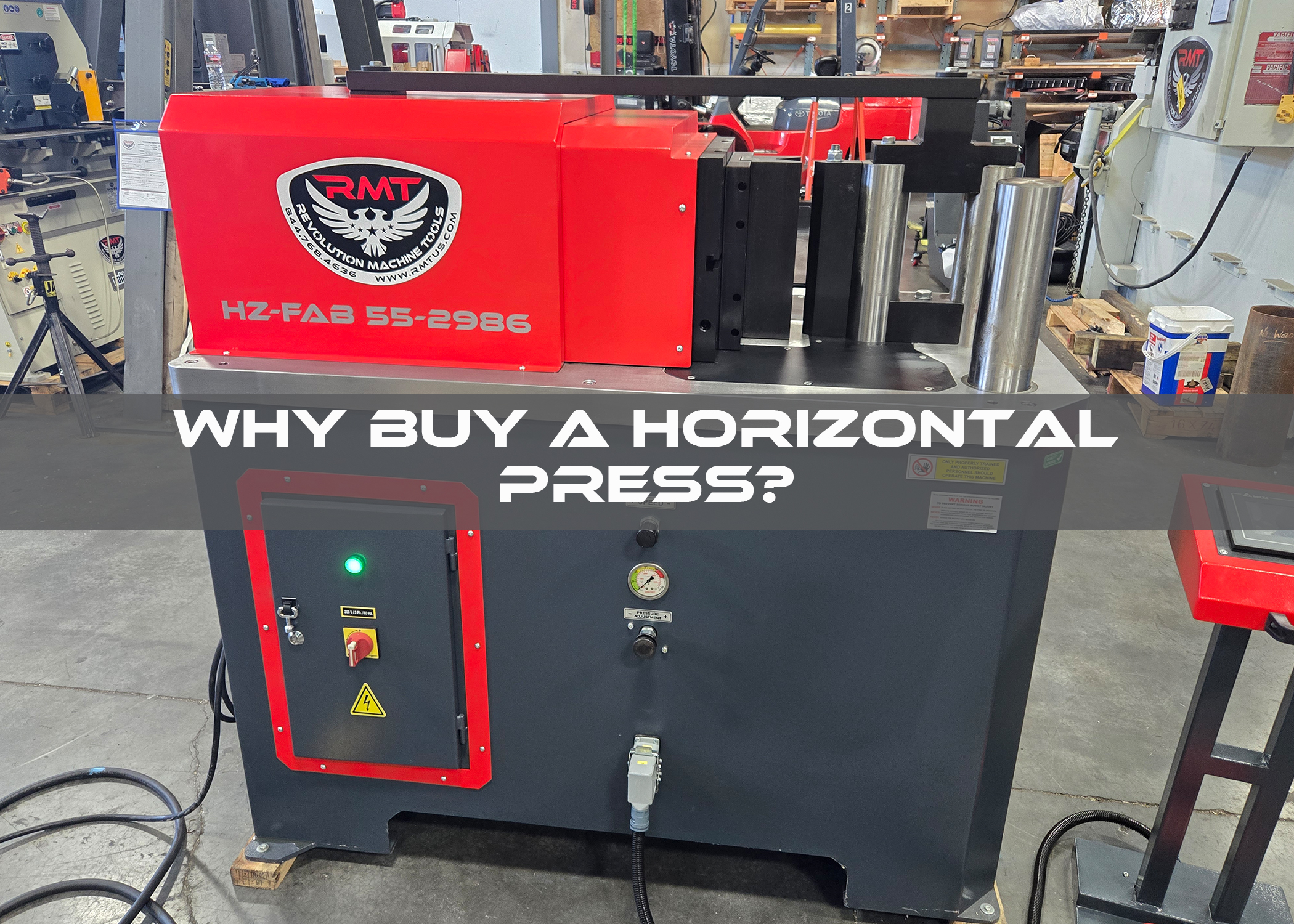
In today’s competitive metal fabrication industry, efficiency, versatility, and precision are essential for staying profitable. One machine that increasingly stands out in modern shops is the horizontal press. While vertical presses, press brakes, and other metalworking machines each have their place, a horizontal press offers a unique combination of flexibility and control that can significantly enhance productivity. For metal fabricators looking to expand capabilities while reducing setup time and operational complexity, investing in a horizontal press is a strategic decision.
A horizontal press differs from traditional vertical presses primarily in its orientation. Instead of applying force downward, it applies force horizontally, allowing material to be worked in a straight-line motion. This seemingly simple difference unlocks a wide range of practical advantages that can streamline operations and improve overall output.
One of the most important benefits of a horizontal press is its versatility. A single horizontal press can perform multiple operations that would otherwise require several different machines. These include bending, punching, shearing, straightening, and even assembly tasks. With the right tooling, operators can quickly switch between jobs without needing to move material to another station. This reduces handling time, minimizes the need for additional equipment, and frees up valuable floor space. For small to mid-sized fabrication shops, this versatility can be especially valuable, as it allows them to take on a wider range of projects without significant capital investment.
Another key advantage is improved efficiency and workflow. In many fabrication environments, moving material between machines is one of the biggest sources of wasted time. Horizontal presses allow operators to complete multiple operations in one setup, significantly reducing downtime. Additionally, the horizontal orientation makes it easier to feed long pieces of material, such as bars, tubes, or extrusions. Instead of lifting and repositioning heavy stock vertically, operators can support the material along its length, leading to smoother, faster workflows and less physical strain.
Operator ergonomics and safety are also greatly enhanced with a horizontal press. Traditional vertical presses often require awkward positioning, especially when handling long or heavy workpieces. In contrast, a horizontal press allows material to remain at a more natural working height. This reduces the risk of injury and fatigue, which can improve both productivity and employee satisfaction. Safer working conditions also translate into fewer workplace incidents and lower associated costs, making the investment even more worthwhile over time.
Precision and control are additional strengths of horizontal presses. Because the material is supported along its length, there is less risk of deflection or misalignment during operations. This results in more accurate bends, cuts, and punches. Many modern horizontal presses are equipped with advanced controls and programmable features, allowing operators to achieve consistent results across large production runs. For fabricators working with tight tolerances or high-quality standards, this level of control is a major advantage.
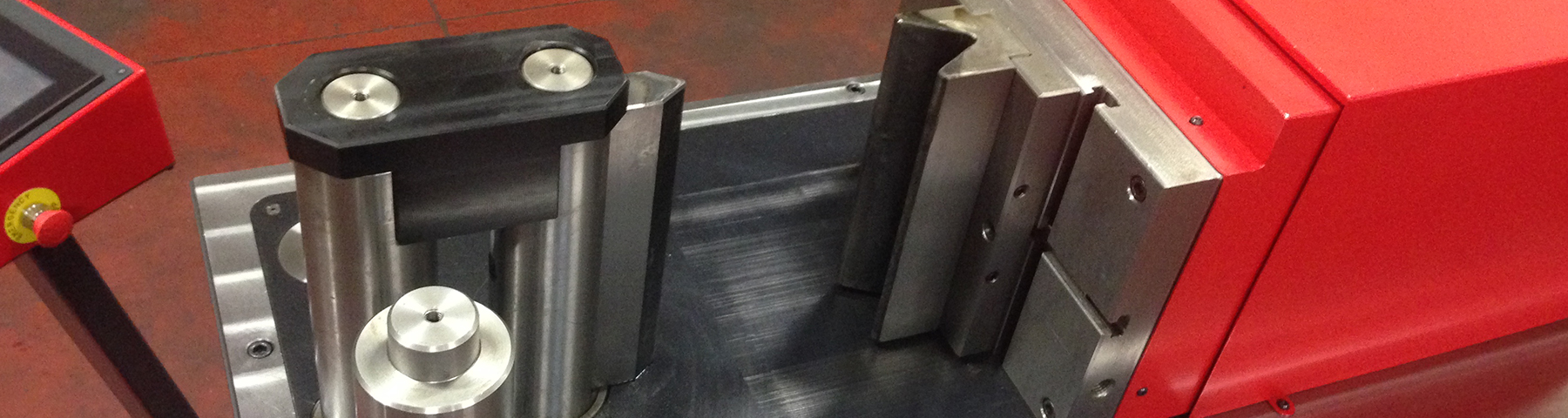
Compared to press brakes, horizontal presses offer unique benefits in certain applications. While press brakes are excellent for sheet metal bending, they can be less efficient when working with long bars or structural components. Horizontal presses excel in these scenarios, providing better support and more consistent results. Additionally, tooling changes on a horizontal press are often quicker and simpler, reducing downtime between jobs. This makes horizontal presses particularly well-suited for job shops that handle a variety of custom orders.
When compared to other metalworking machines such as ironworkers or hydraulic presses, horizontal presses again demonstrate their value through flexibility and ease of use. Ironworkers, for example, are powerful but typically limited to specific functions like punching and shearing. Horizontal presses, on the other hand, can be adapted for a broader range of tasks with interchangeable tooling. Similarly, while traditional hydraulic presses are useful for high-force applications, they may lack the adaptability and workflow advantages of a horizontal system.
Another significant benefit is cost-effectiveness. While the initial investment in a horizontal press may be comparable to other machines, the long-term savings can be substantial. By consolidating multiple operations into one machine, fabricators can reduce equipment costs, maintenance expenses, and energy consumption. Fewer machines also mean fewer operators are needed, which can help address labor shortages and reduce payroll costs. Over time, these savings can more than offset the purchase price of the press.
Horizontal presses also support scalability and growth. As a fabrication business expands, the ability to take on more complex and diverse projects becomes increasingly important. A horizontal press provides the flexibility needed to adapt to new customer demands without requiring constant reinvestment in specialized equipment. Whether it’s creating custom brackets, forming structural components, or performing secondary operations, the machine can evolve alongside the business.
In addition, the setup and training requirements for horizontal presses are generally straightforward. Operators can quickly learn to use the machine, especially with modern control systems that simplify programming and operation. This reduces onboarding time for new employees and allows shops to maintain productivity even when staffing changes occur. In an industry where skilled labor can be difficult to find, this ease of use is a major advantage.
Finally, investing in a horizontal press can enhance a shop’s overall competitiveness. Customers increasingly expect fast turnaround times, high-quality results, and the ability to handle custom work. A horizontal press enables fabricators to meet these expectations more effectively by improving efficiency, accuracy, and flexibility. This can lead to stronger customer relationships, increased repeat business, and a better reputation in the marketplace.
Simply put, a horizontal press is a powerful and versatile addition to any metal fabrication operation. Its ability to perform multiple functions, improve workflow, enhance safety, and deliver precise results makes it a valuable alternative to traditional presses and other metalworking machines. For fabricators looking to optimize their operations and position themselves for long-term success, purchasing a horizontal press is not just a smart investment—it’s a strategic move that can drive growth and profitability for years to come.