
Metal fabrication has long been a cornerstone of modern industry. From infrastructure and transportation to consumer electronics and aerospace, fabricated metal components are essential to nearly every manufacturing sector. As technology advances and global demand for precision manufacturing continues to grow, the future of metal fabrication is evolving rapidly. Far from becoming obsolete, the sector is entering a new era characterized by digital transformation, automation, and innovative production techniques. These developments ensure that metal fabrication will remain a dynamic and rewarding business in the coming years.
A Foundation of Global Manufacturing
One of the main reasons the metal fabrication business will continue to thrive is its fundamental role in the global economy. Industries such as construction, automotive manufacturing, aerospace, and energy depend heavily on fabricated metal components. The demand from these sectors ensures a steady need for skilled fabrication services.
Market projections reinforce this outlook. The global metal fabrication equipment market, valued at about $68.3 billion in 2024, is expected to reach roughly $94.5 billion by 2032, reflecting consistent industry growth driven by demand for precision manufacturing and increased automation.
As developing economies expand infrastructure and advanced economies modernize their manufacturing capabilities, fabricated metal products will remain essential. Bridges, machinery, vehicles, pipelines, and industrial equipment all require fabricated components, ensuring that the industry maintains a stable and long-term customer base.
Automation and Robotics Transforming Production
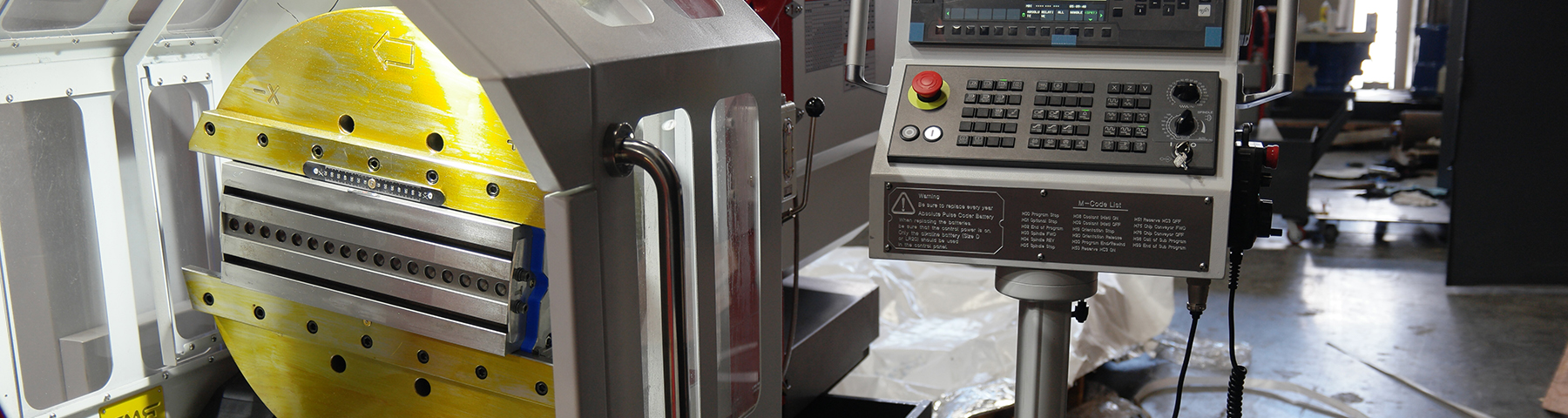
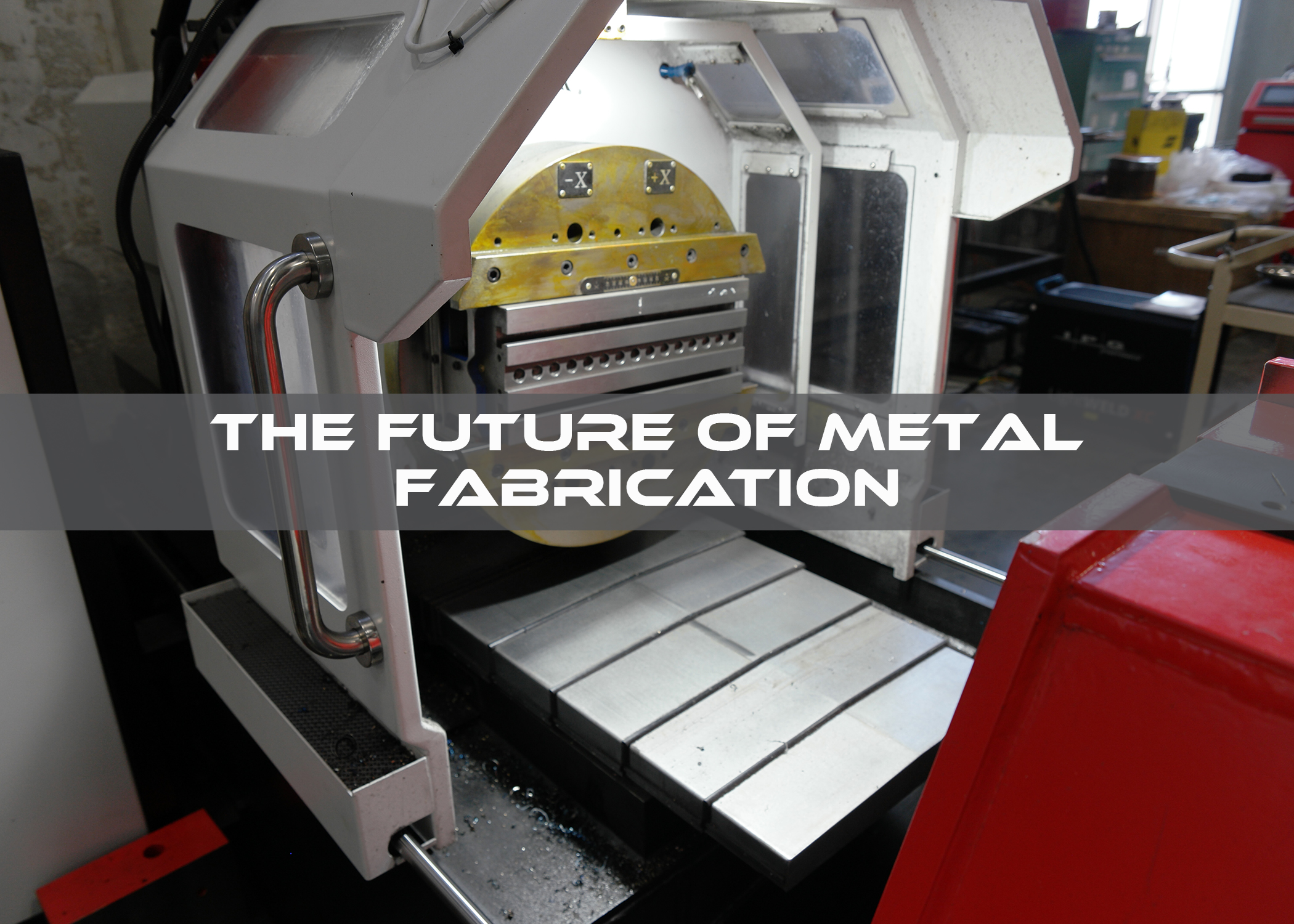
Automation is one of the most significant forces shaping the future of metal fabrication. Robotic welding systems, automated laser cutters, and smart CNC machines are increasingly common in fabrication shops. These technologies improve productivity, reduce human error, and enable companies to produce parts with higher precision and consistency.
The integration of robotics is expanding rapidly across the industry. Automated systems support tasks such as welding, material handling, and assembly while improving worker safety and throughput.
Automation also allows companies to scale production more easily. Instead of relying solely on manual labor, fabricators can integrate robotic systems that operate continuously with minimal downtime. This flexibility enables manufacturers to meet fluctuating demand while maintaining high-quality standards.
Industry 4.0 and Smart Factories
The adoption of Industry 4.0 (“smart manufacturing”) technologies is transforming fabrication shops into connected, data-driven environments. The Internet of Things (IoT) allows machines, sensors, and software systems to communicate with one another, creating “smart factories” that monitor production in real time.
In such environments, machines can track performance, detect anomalies, and automatically schedule maintenance. Predictive maintenance powered by artificial intelligence helps prevent equipment failure and reduce costly downtime.
These digital capabilities allow manufacturers to collect vast amounts of data and analyze it to optimize processes. As a result, fabricators can improve efficiency, reduce waste, and deliver higher-quality products while lowering operating costs.
Additive Manufacturing and New Production Methods
Another technology reshaping metal fabrication is additive manufacturing, commonly known as metal 3D printing. Unlike traditional subtractive manufacturing methods, which cut or machine material away, additive manufacturing builds components layer by layer.
This technique enables engineers to create complex geometries that would be difficult or impossible to produce using conventional fabrication methods. It also reduces material waste and allows for rapid prototyping and small-batch production.
Industries such as aerospace, healthcare, and automotive are increasingly adopting additive manufacturing for high-performance components. The technology allows manufacturers to produce lighter, stronger parts while shortening development cycles. As the technology matures and becomes more affordable, its adoption within metal fabrication will continue to expand.
Customization and On-Demand Manufacturing
Today’s manufacturing landscape is shifting away from mass production toward customization and flexible production. Customers increasingly require specialized components designed for specific applications.
Advances in digital design, CNC machining, and additive manufacturing make it possible to produce small batches of customized parts without extensive retooling. This shift toward on-demand manufacturing allows fabrication companies to respond quickly to customer needs and reduce inventory costs.
As industries pursue more tailored solutions—whether for specialized machinery, architectural designs, or high-performance equipment—metal fabricators will play a key role in delivering those customized components.
Sustainability and Efficient Resource Use
Environmental concerns are also shaping the future of metal fabrication. Manufacturers are under growing pressure to reduce waste, energy consumption, and carbon emissions.
Fortunately, metal fabrication is well-positioned to adapt. Many processes already involve recycling scrap metal and reusing materials, making the industry relatively resource efficient. Fabricators are also adopting energy-efficient machinery and environmentally friendly manufacturing practices.
Sustainable manufacturing not only benefits the environment but also reduces costs and enhances a company’s reputation. Companies that invest in greener fabrication methods can gain a competitive advantage while meeting evolving regulatory requirements.
Skilled Workforce and Emerging Career Opportunities
Despite increasing automation, skilled workers remain essential to the metal fabrication industry. Advanced machinery requires operators who understand programming, robotics, and digital manufacturing systems.
As fabrication technology evolves, so do the skill sets required to operate it. Technicians, engineers, and machinists who are trained in advanced manufacturing techniques will be in high demand. Educational programs and technical training initiatives are adapting to meet these needs, ensuring a steady pipeline of skilled professionals.
This combination of skilled labor and advanced technology creates opportunities for workers to move into higher-value roles that involve problem-solving, system management, and design.
Innovation Driving Long-Term Growth
Innovation remains a defining characteristic of the metal fabrication industry. Emerging technologies such as augmented reality for training, digital twin simulations (creating a virtual replica of a physical asset, system, or process, updated in real-time) for process optimization, and advanced alloys are continually expanding the capabilities of fabricators.
Digital design tools, including computer-aided design (CAD) and computer-aided manufacturing (CAM), streamline the entire production process—from concept to finished product. These technologies allow engineers to simulate and refine designs before fabrication begins, reducing errors and improving efficiency.
As new materials, processes, and digital tools continue to emerge, metal fabrication companies that embrace innovation will be able to offer more advanced and competitive services.
The Ever-Dynamic Metal Fabrication Industry
The metal fabrication industry is far from static. Instead, it is undergoing a period of rapid transformation driven by automation, digital technologies, advanced materials, and changing market demands. These developments are making fabrication processes more efficient, flexible, and sustainable.
At the same time, the industry’s fundamental role in manufacturing ensures continued demand for fabricated metal components across countless sectors. Infrastructure projects, advanced manufacturing, and emerging technologies will all rely on high-quality metal fabrication.
For entrepreneurs, engineers, and skilled tradespeople alike, the future of metal fabrication offers exciting opportunities. With the right combination of innovation, investment, and skilled expertise, the industry will remain a dynamic and essential part of the global economy for decades to come.